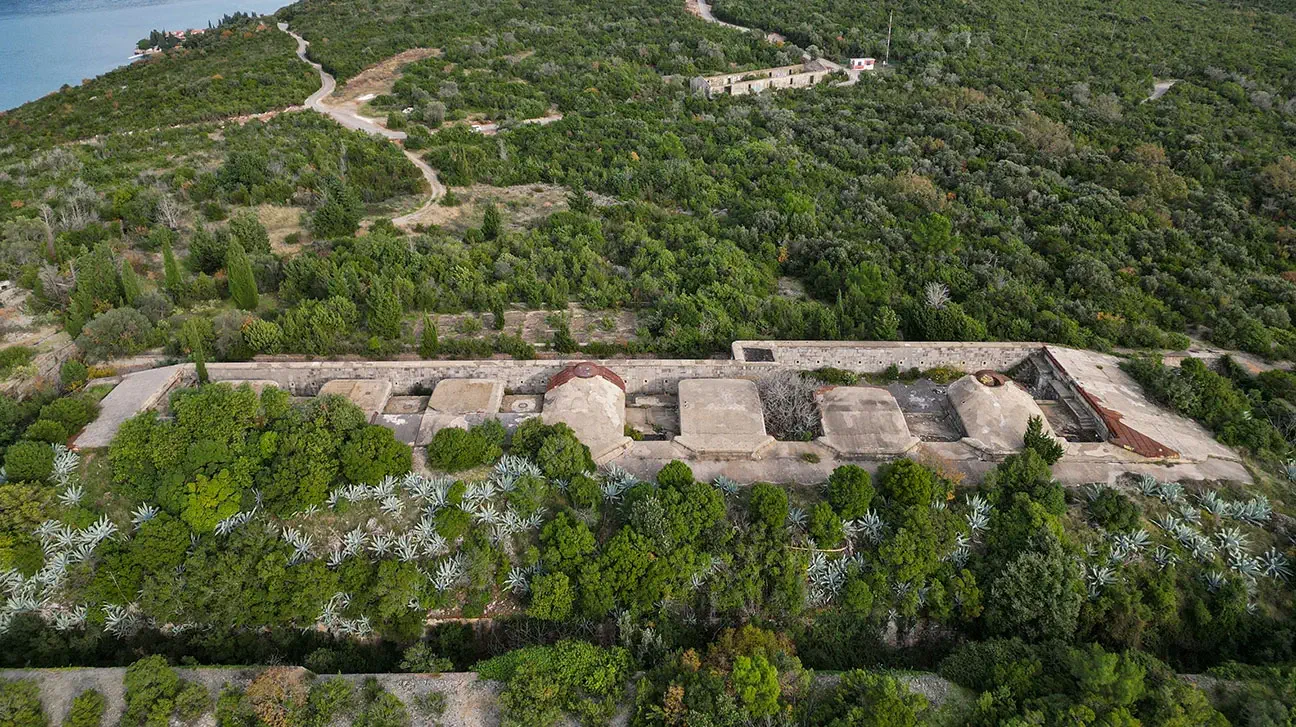
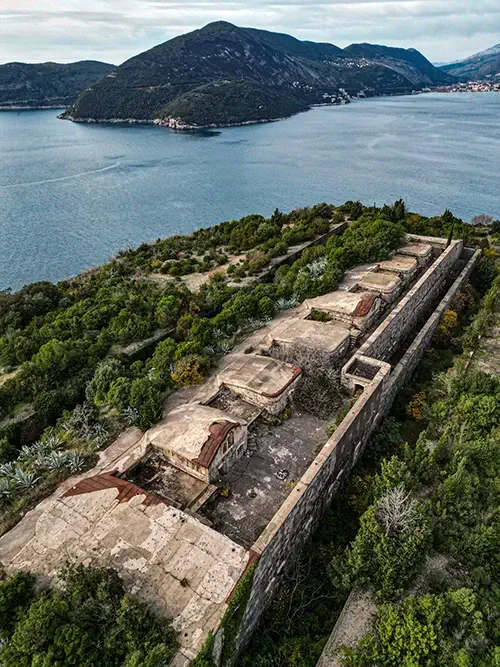
Fort Kabala is a fortification built during the reign of the Austro-Hungarian Empire on the territory of the Luštica peninsula in 1897. The fort is part of the second line of defence of the entrance to the Bay of Kotor.

History of the fortress
In 1815, as a consequence of the Congress of Vienna, the Bay of Kotor passed to the Austro-Hungarian Empire. Over time, more precisely after the uprisings of 1869 and 1882, the Austrians decided to increase their military presence in the area. As a result, the entire bay was divided into 3 sectors, in each of which military forts, barracks, roads and supply buildings were built.
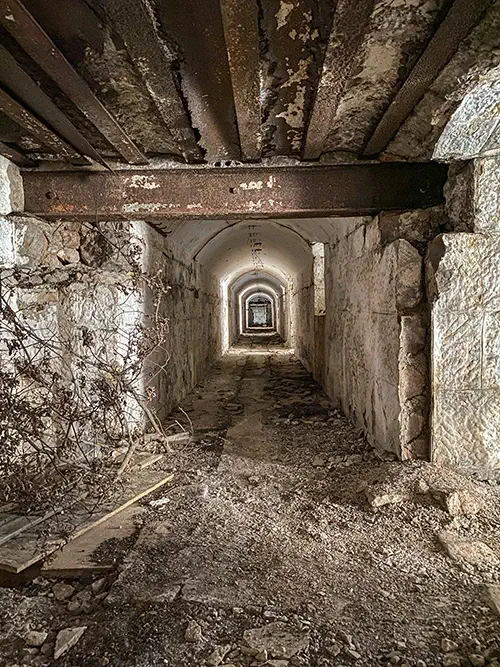
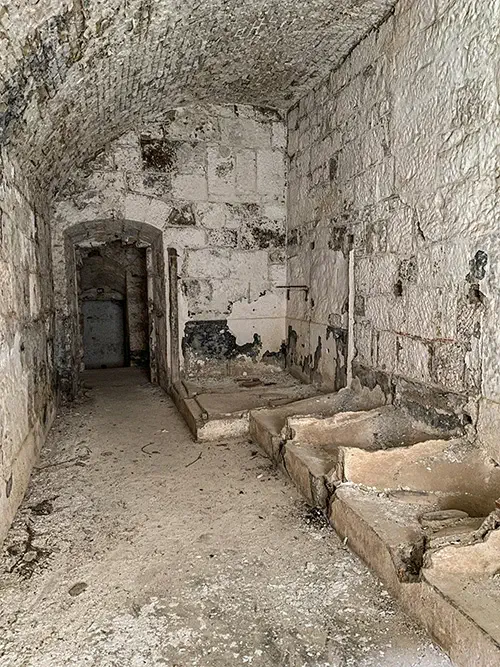
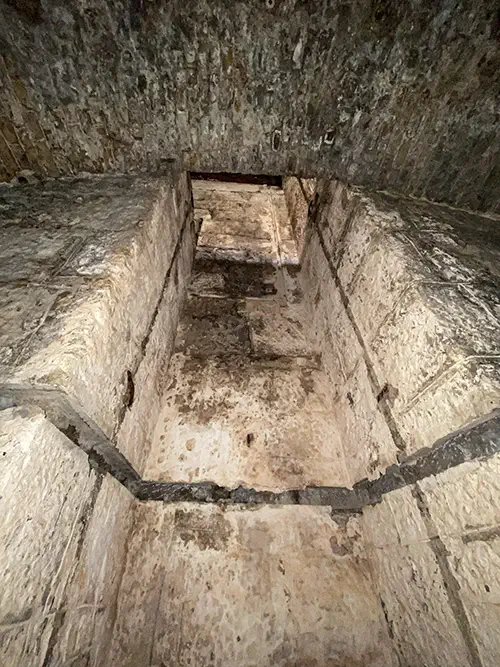
A large part of the Lustica peninsula was included in Sector I of the Bay of Kotor defence. In this sector there were two lines of defence of the entrance to the bay from the sea, as well as their cover from Herceg Novi (Španjola battery and Kameno stronghold).
Fort Kabala was part of the second line of defence, along with Fort Lustica and Klinci Battery, as well as Forts Kobila Gornja and Kobila Donja on the opposite shore. Its construction started in 1895 and lasted 2 years.

Fortress description
No information has survived about the number of personnel needed to maintain the fort. However, we do know that its armament consisted of four M73 mortars, 210 mm, four D49 howitzers, 150 mm, supplemented by machine guns and small arms.
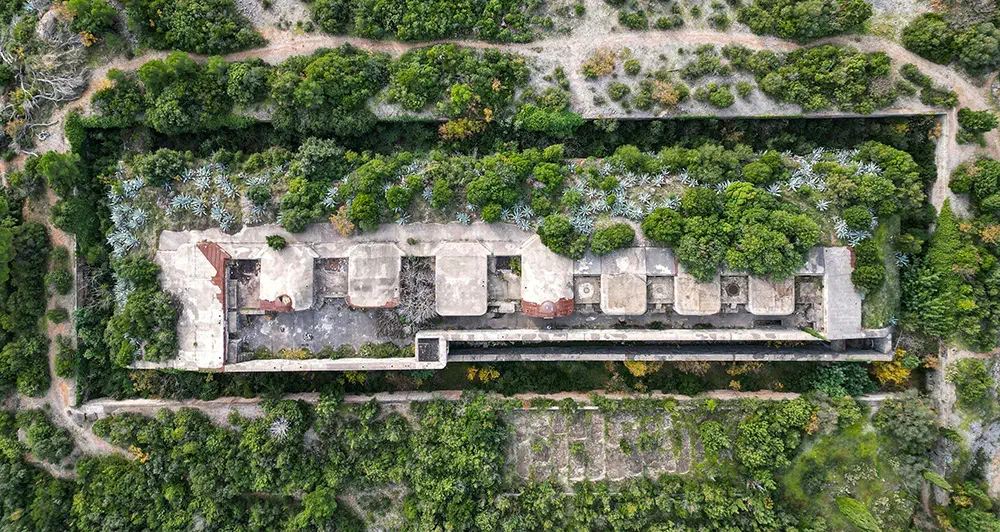
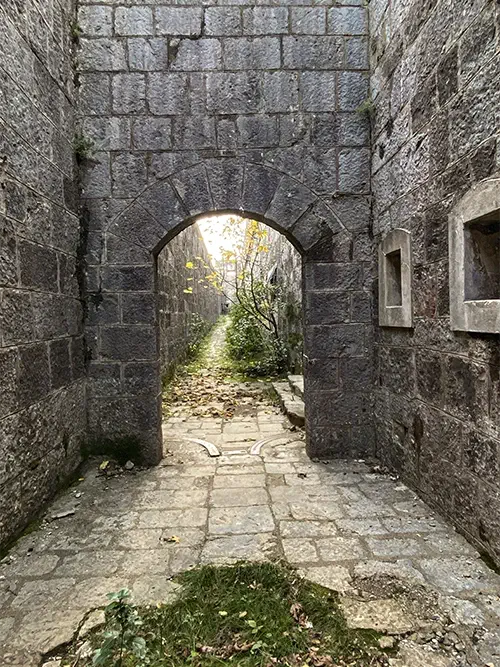
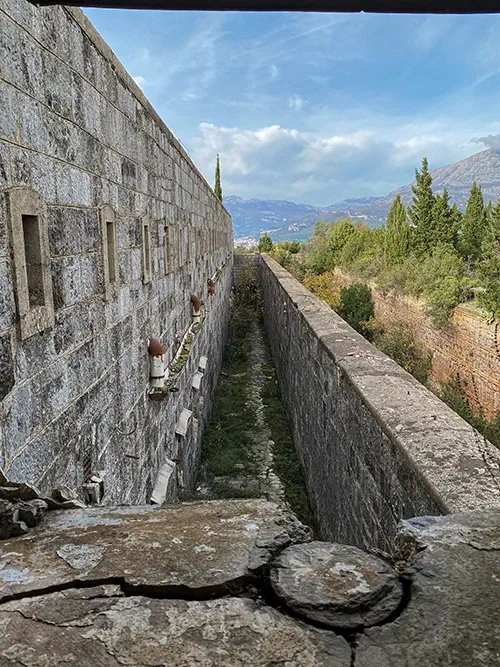
The fort was surrounded by an anti-personnel ditch and had 3 floors, two of which were actually dug into the ground. A water cistern provided an uninterrupted water supply. The ground floor and the first floor were allocated for living and technical premises, there were barracks, warehouses, kitchen, toilets, etc.
On the ground floor there is a slope down to an additional storage room, which is located on the -1 floor. Apparently, this is where ammunition was stored at depth to avoid detonation.
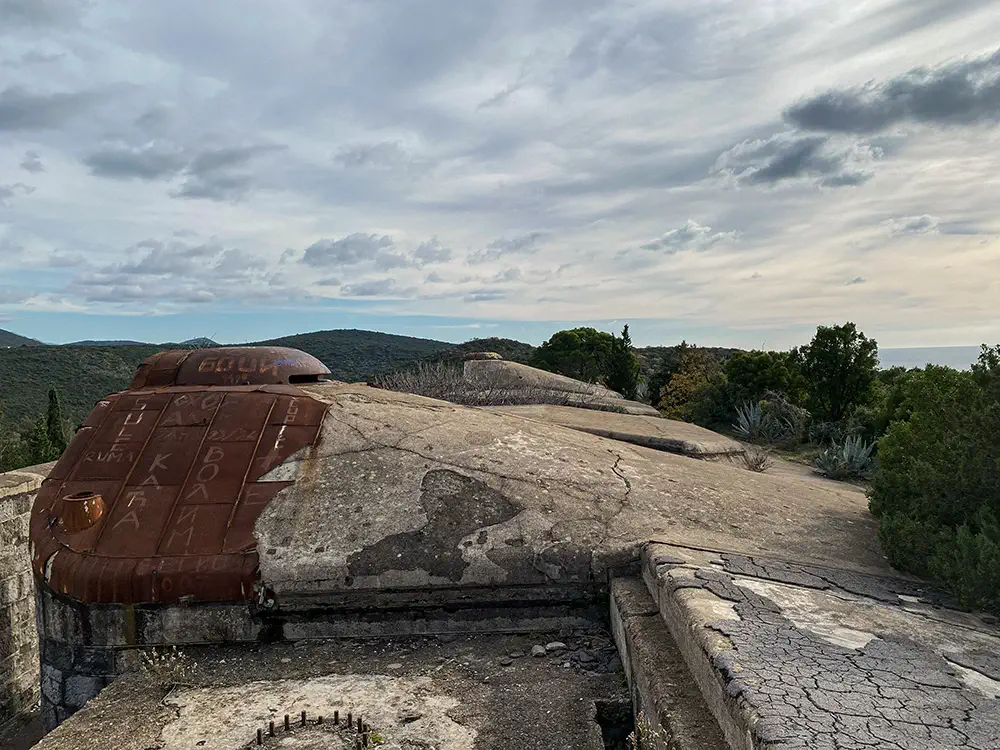
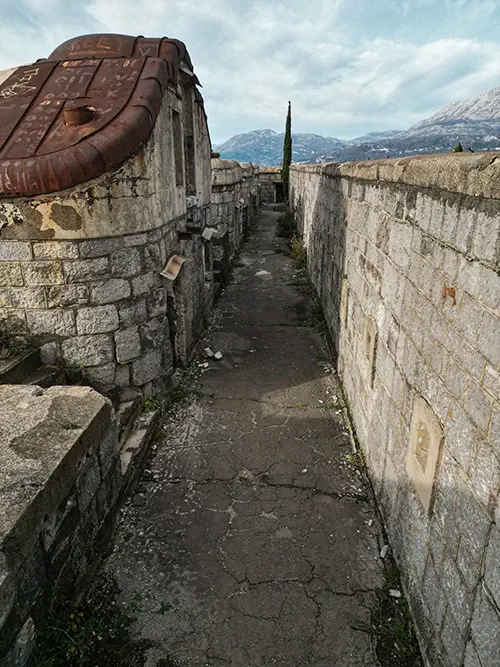
The second floor was reserved for the combat unit. The artillery installations and fire adjusters were located here. Lifts were built from the lower floors for easy access and delivery of ammunition to the guns. Their remains, as well as the rails, can still be found inside the fort. Also on this level was a machine gun point, which controlled the main entrance to the fort.

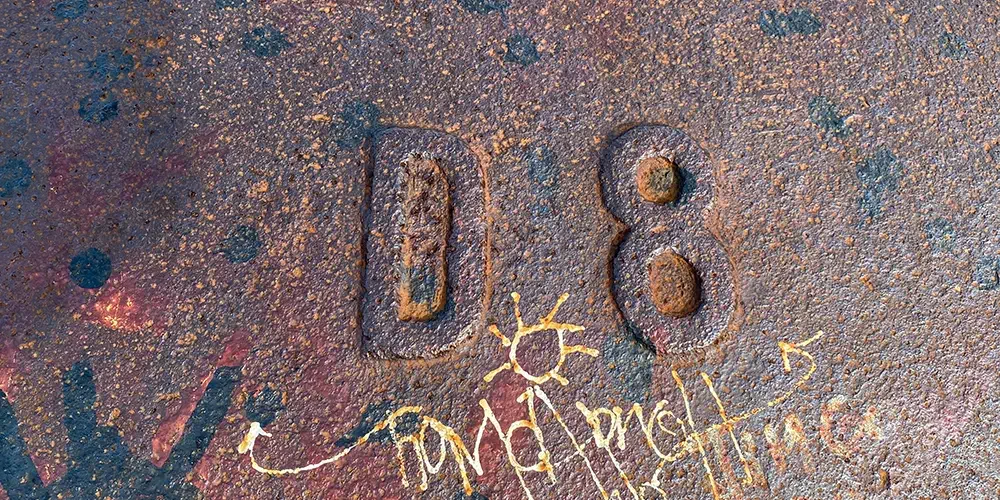
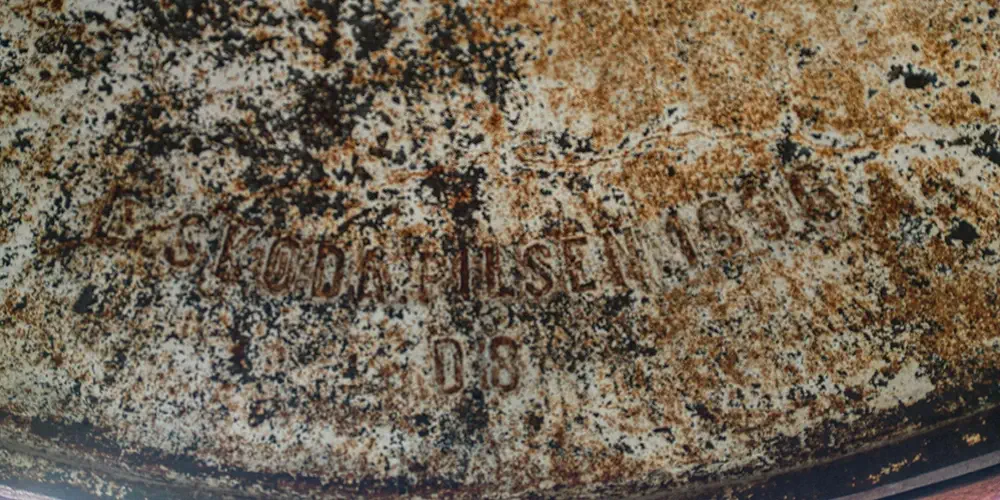
Another interesting detail are the armoured domes. As for the other Austro-Hungarian fortresses of the Bay of Kotor, they were made for Fort Kabala by the Czech company Škoda in Pilsen in 1886, as the inscriptions inside the domes indicate. One of the domes is also labelled D8.
Today the fort is abandoned. Therefore, anyone can visit it at any time.
How to get to the Kabala Fortress
To get to the Austro-Hungarian fortress Kabala at the moment you can only use your own transport, be it a car, motorbike or bicycle. It is better to leave your vehicle here at the information stand and continue on foot. It takes about 5 minutes to walk along the trail.
