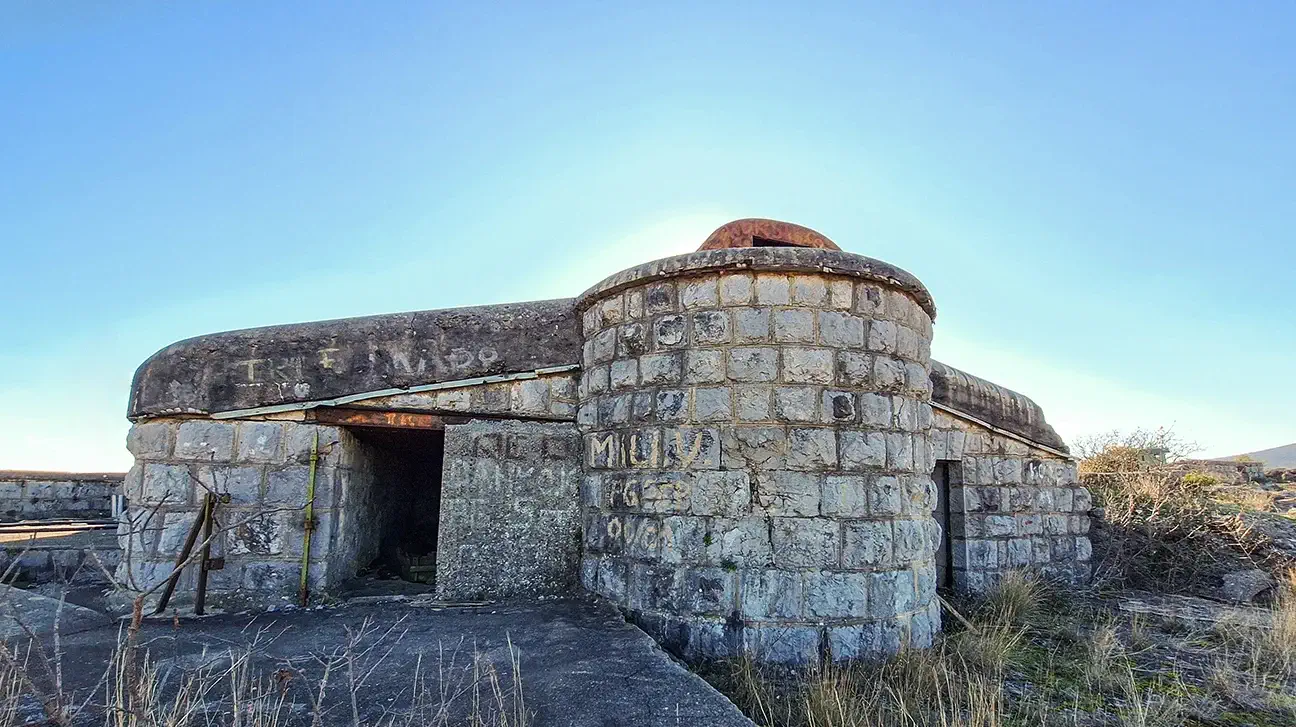
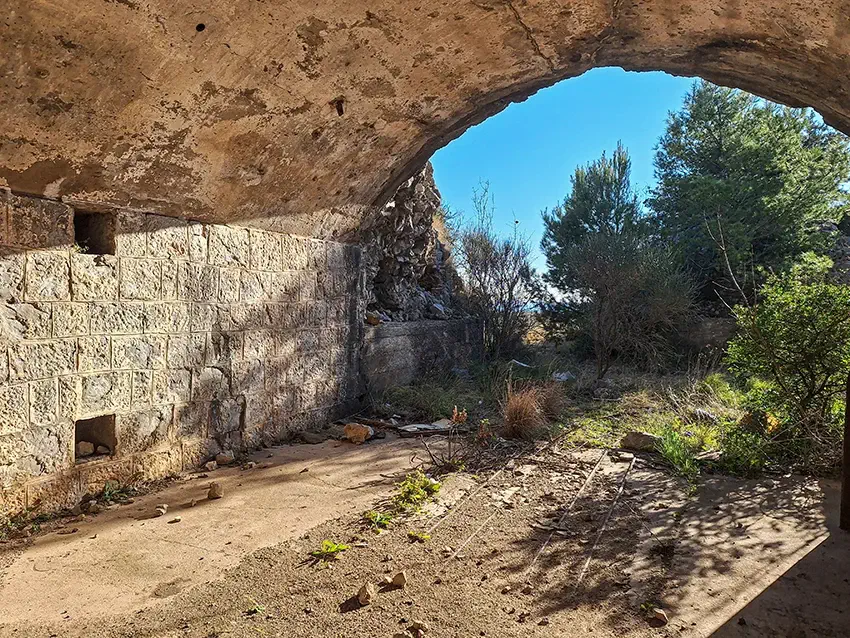
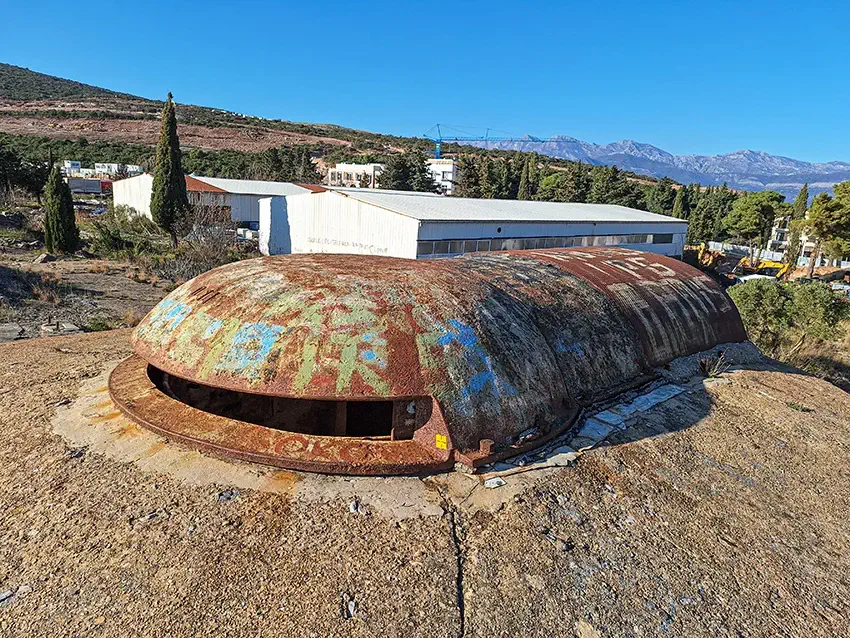
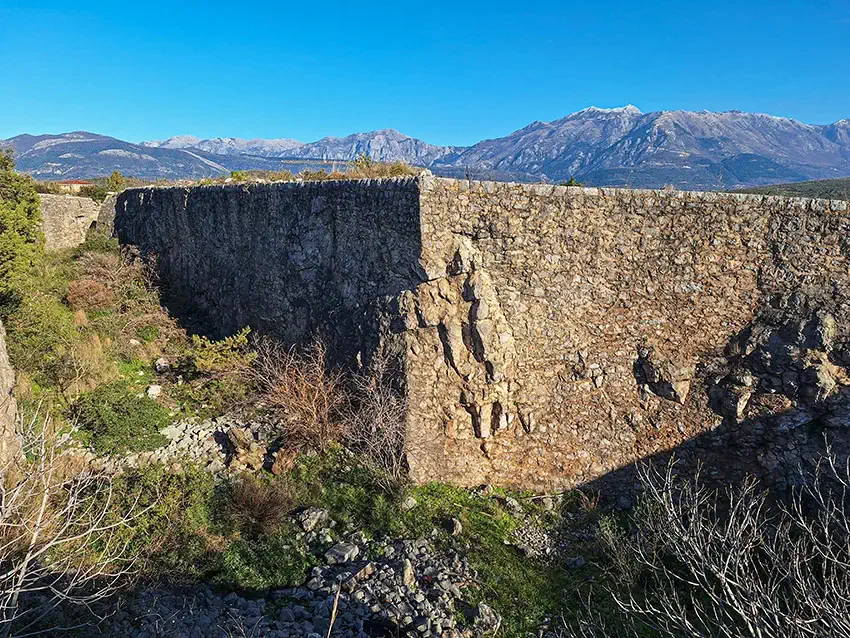
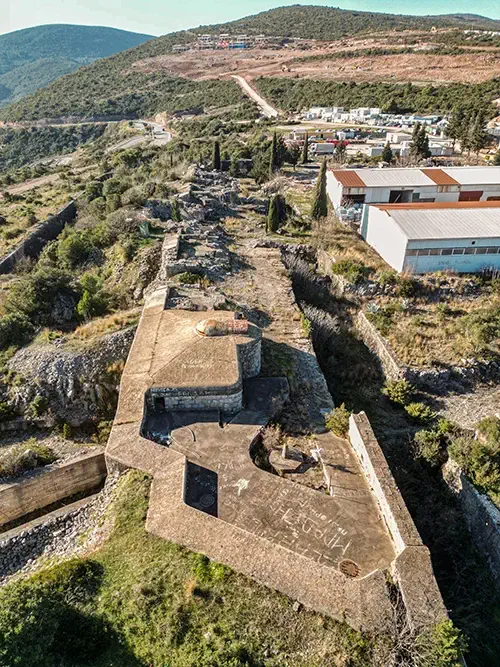
Fort Radisevic is a fort built by the Austro-Hungarian Empire on the Lustica peninsula. It got its name from the village of the same name Radisevici, which is located literally at its foot. It is located on the territory of the municipality of Tivat, near the luxury residential complex Lustica Bay. It represents the heavily demolished remains of what was once one of the largest Austrian-era seaside fortifications in Montenegro.
At the moment, the territory where the fort is located is owned by a development company from Egypt, which continues to build an elite residential complex nearby. Although plans have been announced to turn the remains of the fort into an art space and green market, as of July 2024, no such work is underway.

Construction history
The first artillery battery appeared in the area in 1866. On the one hand, it protected the Lustica peninsula and the Gulf of Tivat from landings from the Gulf of Trašte, and on the other hand, being located in the narrowest part of the peninsula, it blocked the passage to the rear of the Kabala, Arza and Lustica forts from the land side.
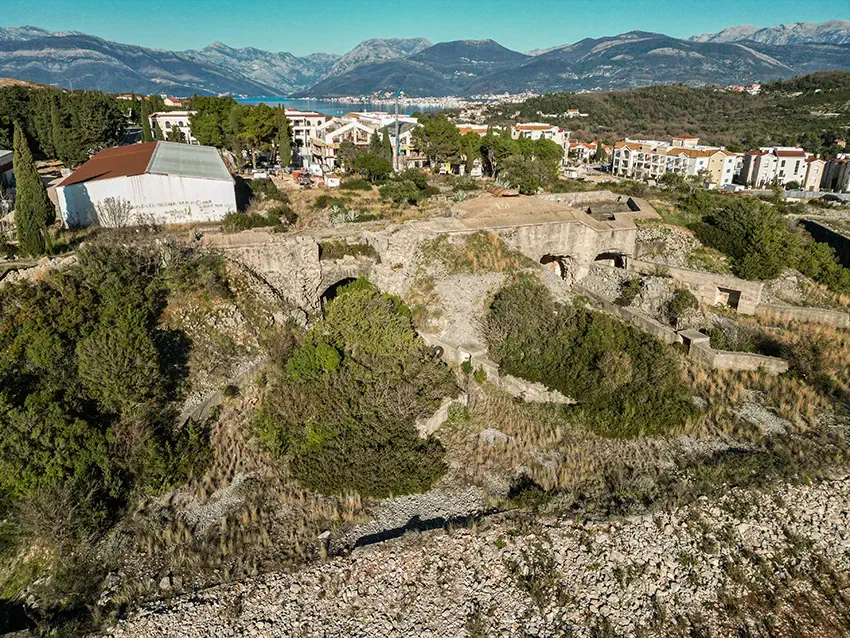
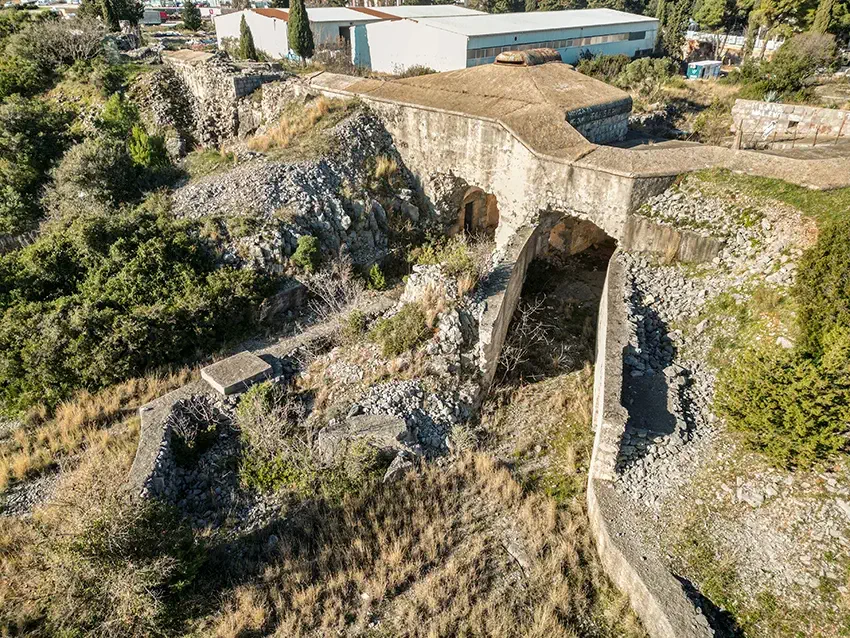
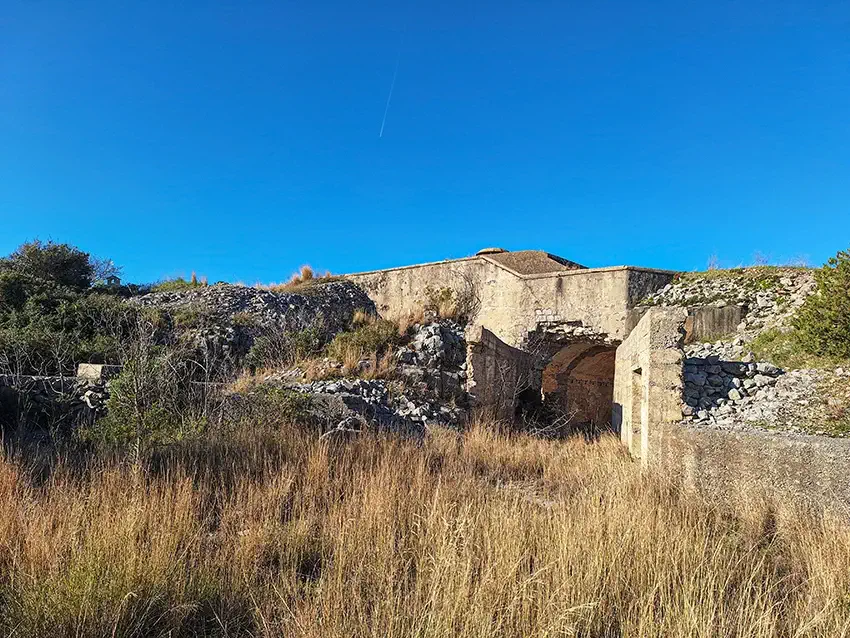
In addition to the battery itself, between 1866 and 1890, permanent buildings were built to house the personnel. In 1890, the battery itself was renovated and rearmed.
In 1907, the construction of the fortification began, the remains of which we can still see today. Within 2 years, by 1909, a modern military fort was built, which, in coordination with the Klinci battery and the Grabovac fort, was to protect the Lustica peninsula and the city of Tivat from both land and sea.
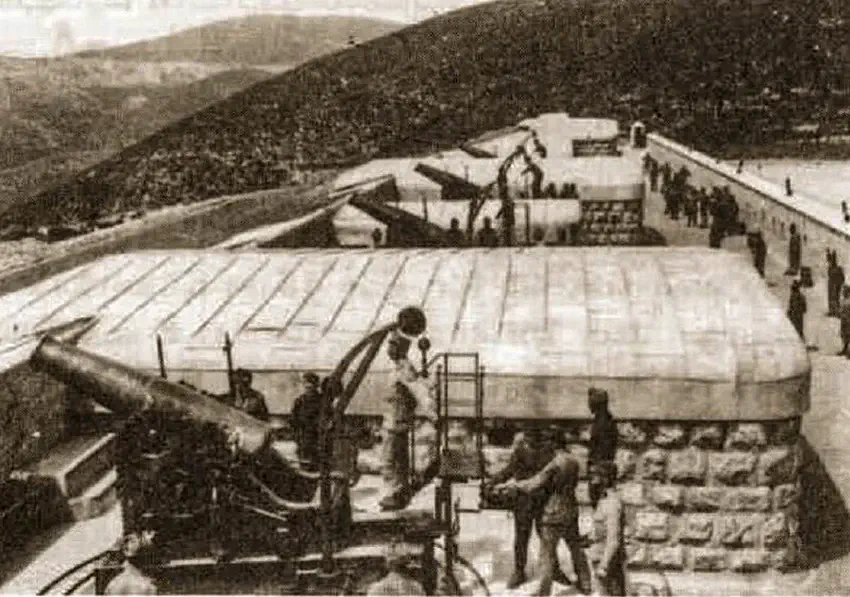
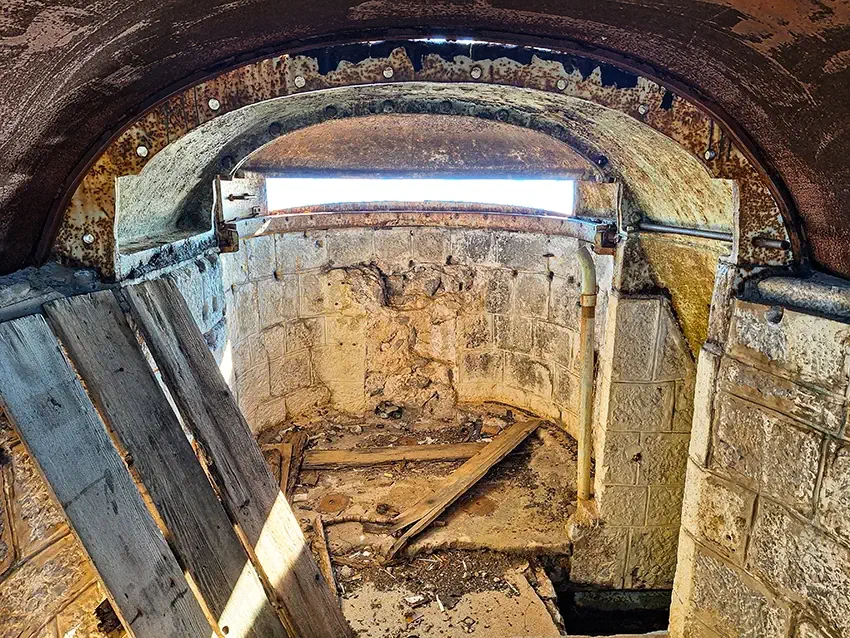
In 1909, the fort's armament consisted of two 150mm coastal guns (D-40), as well as four 210mm D-80 mortars. It was a modern four-storey military fort, equipped with everything necessary for comfortable life of the personnel and protection of the surrounding area. Its garrison could consist of 1,000 men, although there were only 200 on a permanent basis.
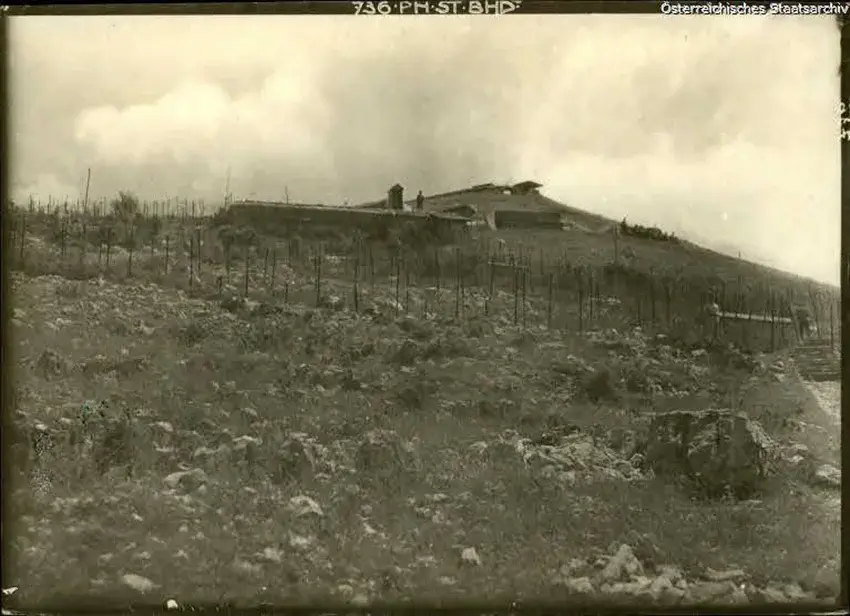
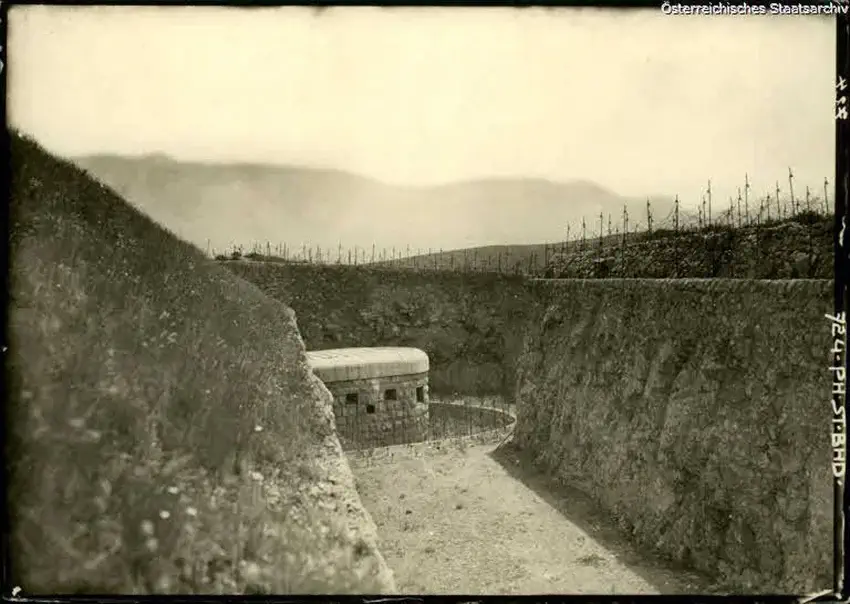
The fort was electrified, elevators were built to feed shells, and for better visibility at night the fort was equipped with two 90 cm spotlights. The fort was surrounded by an anti-personnel ditch 6 meters wide and 8 meters deep.
The fall of Fort Radisevic
Fort Radisevic was never conquered or destroyed by fighting. After the defeat in World War I, Austrian soldiers, consisting mostly of Hungarians, peacefully abandoned it, leaving it to the Serbs.
During World War II, it was used first by Italians and then by German soldiers.
During the retreat, the German troops mined the fort in order to completely destroy the structure. However, for some reason the explosives did not activate.
One of the German soldiers had to return to activate the mines. He succeeded in doing so partially. He was captured when most of the facility «blew up».
The Yugoslav troops that replaced the German troops did not rebuild. They built barracks nearby and used the remaining undestroyed space of the fort as a warehouse.
After the collapse of Yugoslavia, all of the army's valuable property was removed, and the fort itself fell into final decay to the state in which we can find it today.
How to get to Fort Radisevic
It is worth noting that in general, access to the territory of the fort is prohibited and the land under it is privately owned, but there are no guards nearby. In fact, there is nothing to protect there.
The easiest way to get to the fort is by car, which you can leave in the parking lot and then go directly up to the fort a little higher up. You can also access the fort from the Radiševići village.
