
Zabljak Crnojevic / Zabljak Crnojevica (Montenegrin. Жабљак Црнојевића, Žabljak Crnojevića) is a medieval fortress town on a cliff, with references dating back to the 10th century. Located in the municipality of Cetinje, it is surrounded by Lake Skadar and Lake Gorne Malo Blato on one side and the Moraca River delta on the other. It is one of the best-preserved symbols of the medieval Montenegrin state.
«Zabljak» is a swampy place where there are many toads and frogs. Originally the town was called simply Žabljak, but in the XIX century, in order not to be confused with another town in the north of Montenegro, the name of the prince under whom the town was the capital was added. This is how the second part, «Crnojevića», came into being.
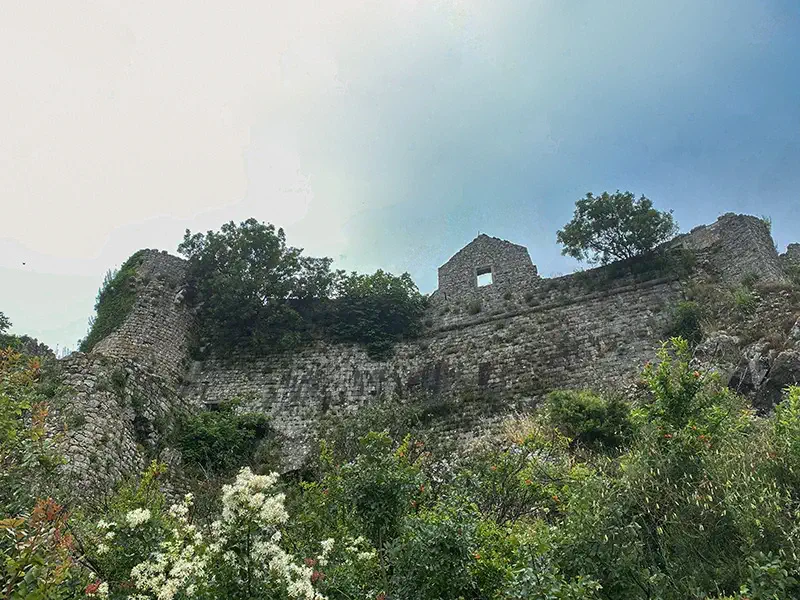
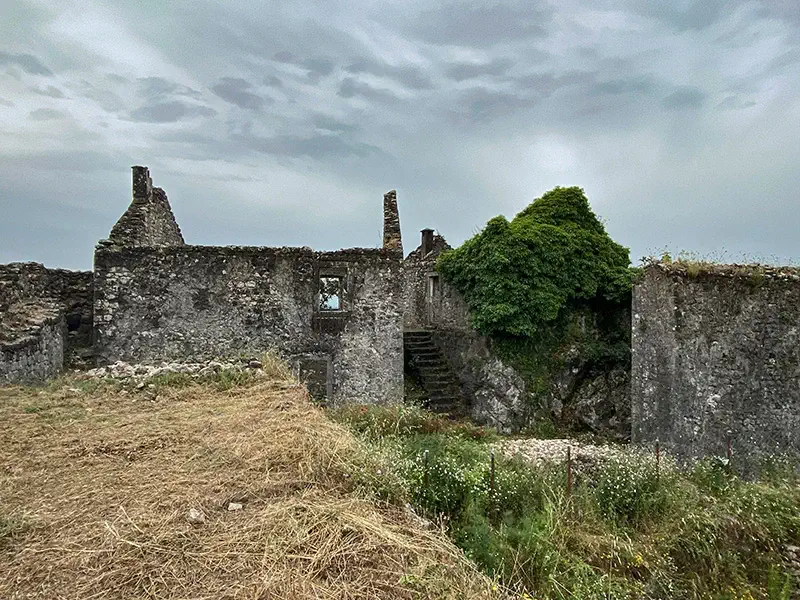
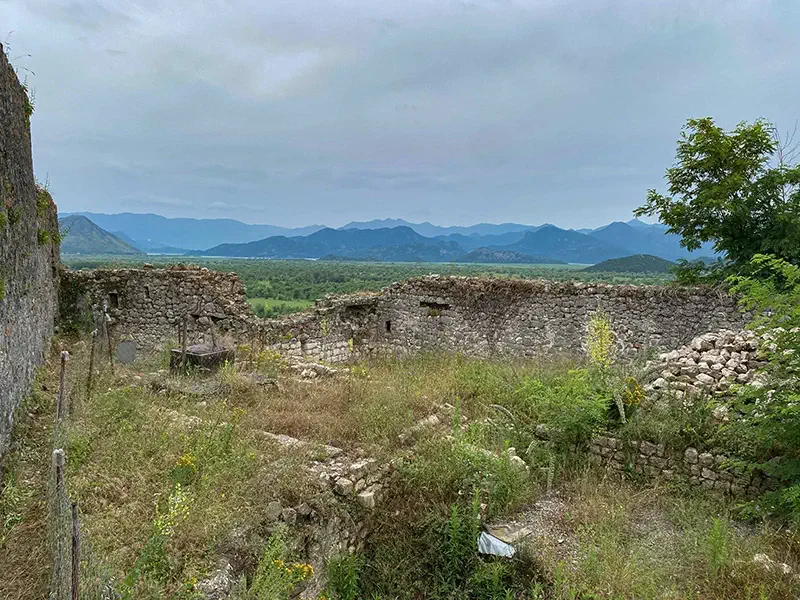
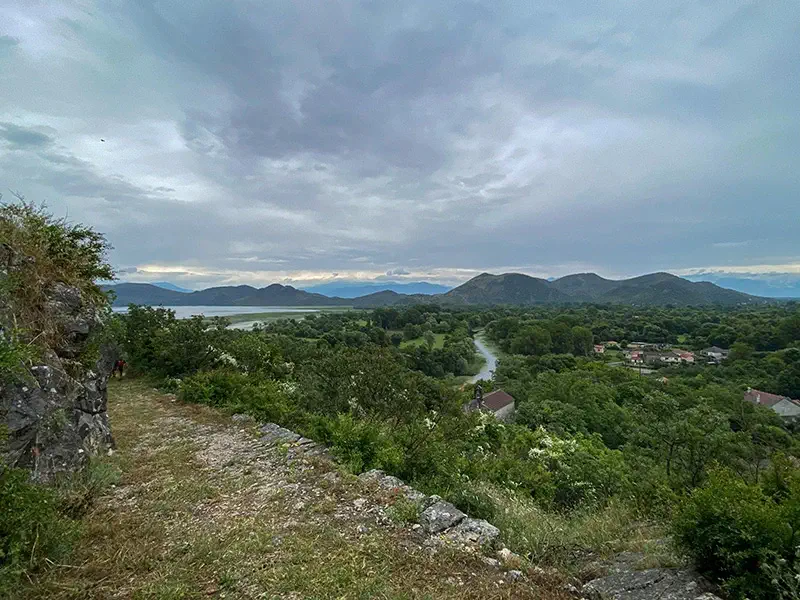
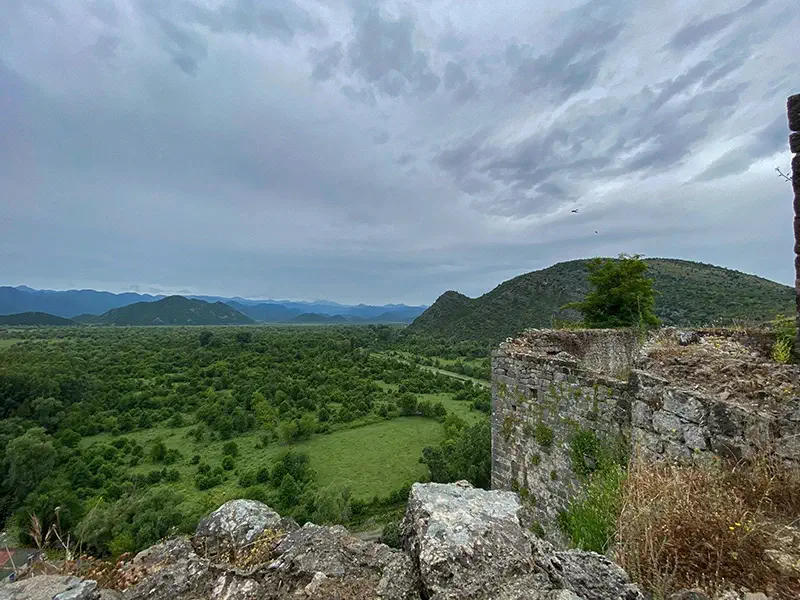
Today, to tell the truth, there is little reminder of the town's former importance, which is due to a series of historical events. However, despite this, it still attracts tourists who want to touch history and enjoy the scenery.

Founding History
As already mentioned, the first mention of Žabljak Crnojević dates back to the 10th century. At that time, the Byzantine Emperor Constantine VII Porphyrogenitus described a certain settlement on the territory of the Serbian medieval state of Duklja called Lugh. Later it is also mentioned in the Bar Chronicles in 1177 and 1189. However, a more or less thoroughly documented history of the town begins only in the 15th century.
Zabljak Crnojevic in Montenegro
From the mid-14th century, a region called Montenegro appears in Venetian charters, as well as in the written archives of Ragusa (Dubrovnik) and Kotor. This region was located in the mountain ranges above Kotor and Budva, between Lovcen and Lake Skadar. It was ruled by the Serbian noble family of Crnojević.
The fortress, now called Žabljak Crnojević, was built between 1403 and 1435. In 1451, Stefan Crnojević, having concluded a treaty with the Republic of Venice and with the Bosnian Duke Stefan Vukčić of Herceg Novi, began an independent policy. During this period, the fortress is rebuilt and fortified. Judging by the resemblance in appearance, Venetian and Ragusan craftsmen had a hand in the fortification.
Stefan Crnojević died at the beginning of 1465, and his son Ivan Crnojević took his place. After 10 years, in 1475, the Ottoman onslaught in the region became so strong that Ivan decided to move his capital from Žabljak to Obod on the Crnojević River, and then to Cetinje.
In 1478, the Turks captured the town and the fortress. However, they did not get a developed town, but an almost empty settlement with a minimum of inhabitants, because most of the inhabitants had been relocated to Obod in advance. Against this backdrop, the Ottoman Empire introduced a special policy for this territory: its own subjects were relocated here and in exchange for repairing fortresses, building roads and bridges, and developing craftsmanship, they received very significant trade privileges.
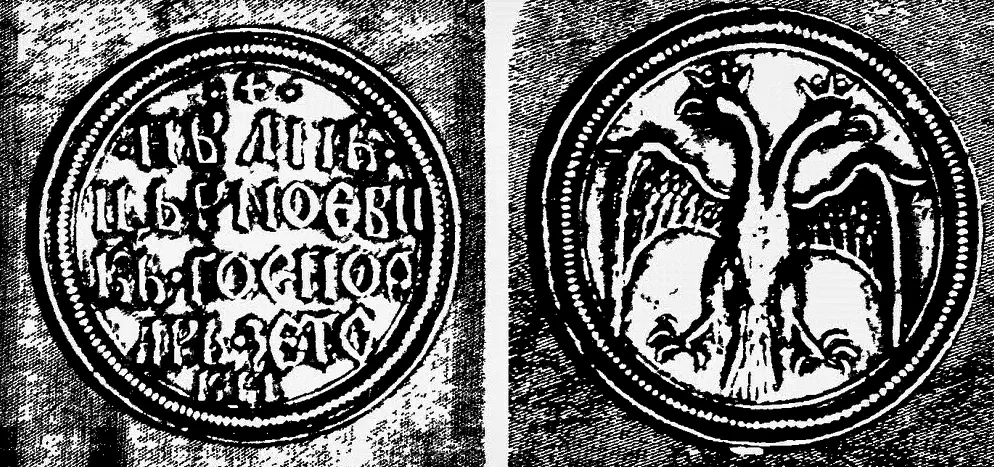
In 1481 Ivan Crnojevic with the support of the Venetians managed to regain the fortress, but the success did not last long: already in 1482 the Turks besieged Zabljak and this time there was no help from the Republic of Venice. The fact is that the Italians did not want to violate just concluded treaty on trade and peace with the Turkish Sultan Bayazid II. This development of events forced Ivan to burn the city and retreat into the mountains.
From that moment until 1878, Žabljak Crnojević remained under the rule of the Ottoman Empire.
Zabljak Crnojevic as part of the Ottoman Empire
From the 80s of the 15th century, Žabljak Crnojević was under Ottoman rule. Although the Turks did make certain changes to the fortification, they were not global and of medium quality: as a rule, they were unhewn, poorly fitted stone, which was fastened with mortar.
Mariano Bolizza, a priest and diplomat from Kotor who lived in the second half of the 16th and first half of the 17th century, was sent by the Venetian authorities to the Skadar Sandzak to describe the life and way of life on its territory.
On 25 May 1614, he presented his work «Report and Description of the Sanjak of Scutari» (серб. Извјештај и опис Скадарског санџака / итал. Relazione e descrizione del sangiacato di Scutari) in which he mentioned that there are 15 houses on the territory of the fortress, mostly destroyed. It is also home to the Turkish commander of the fortress, Dizdar Aga, who governs the surrounding area on behalf of the Sultan of the Ottoman Empire.
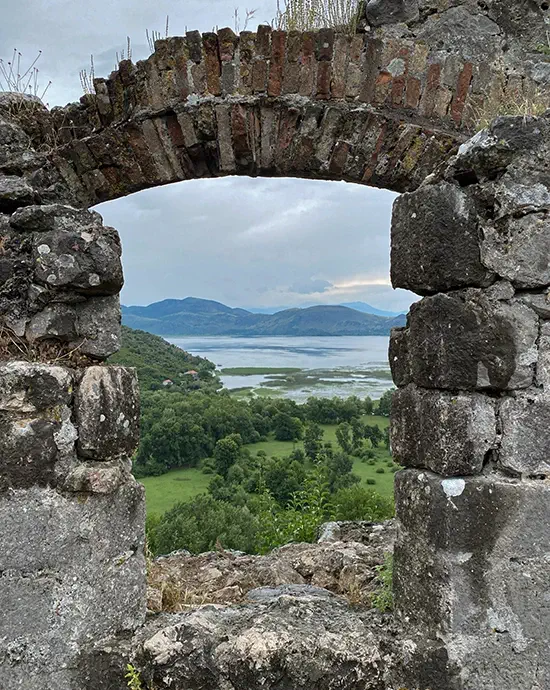
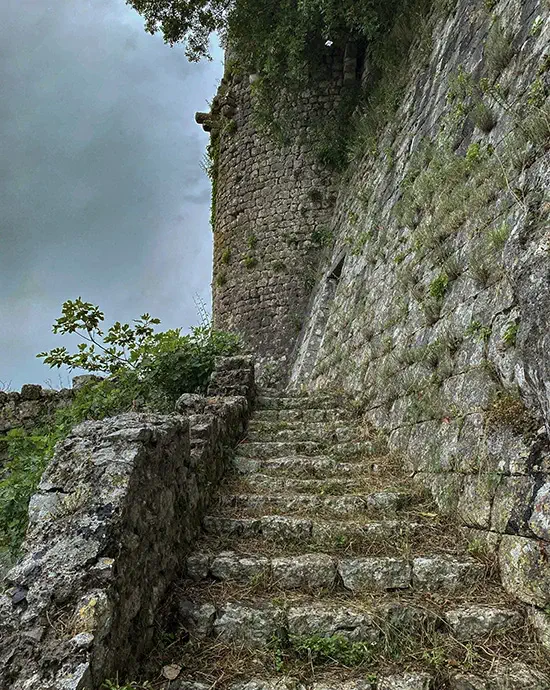
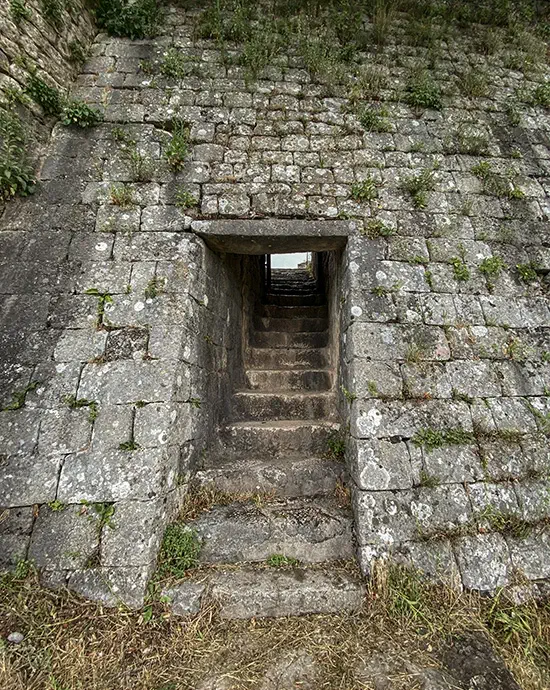
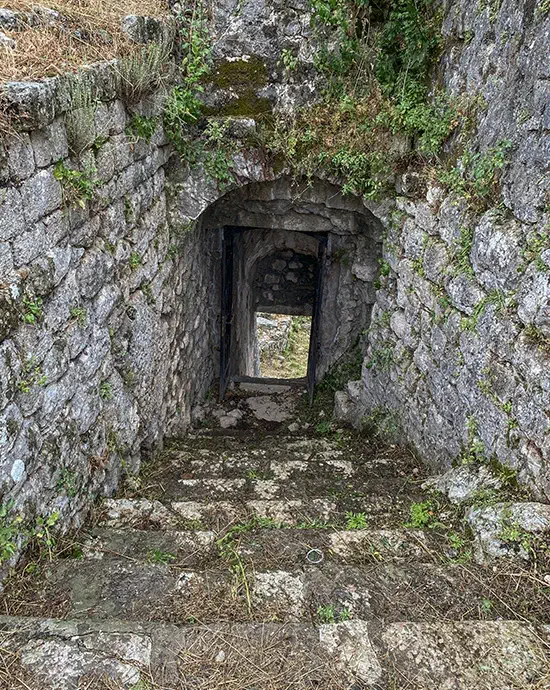
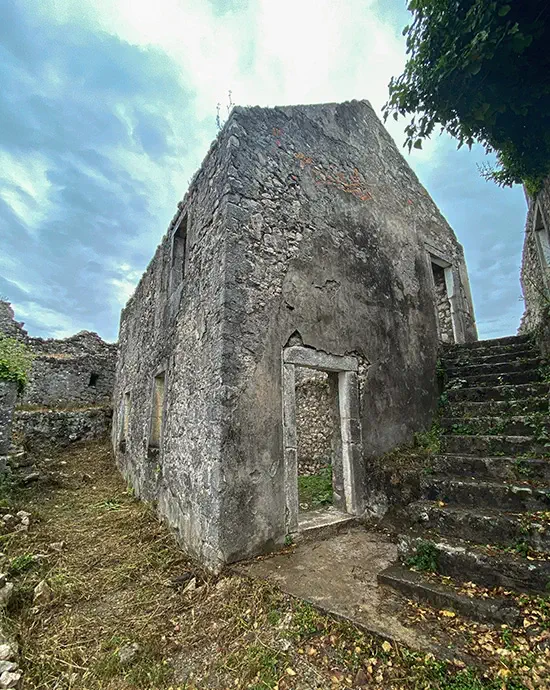
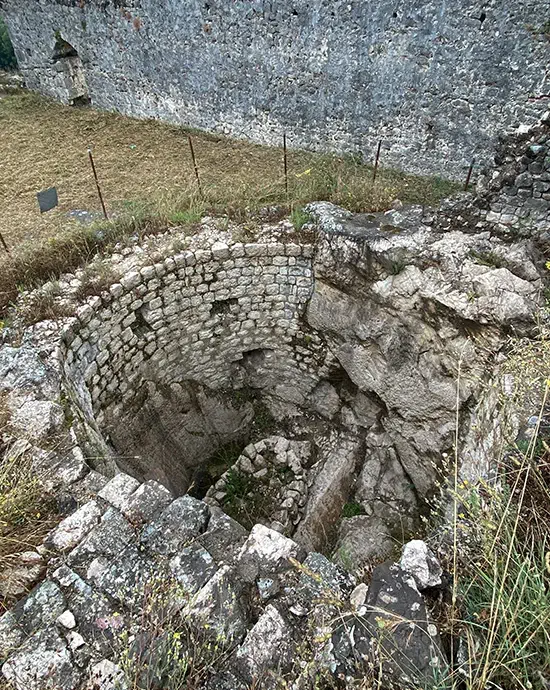
The end of the XVIII century was marked by the fact that Montenegrins began to try to take back the fortification. It must be said that they managed to capture the fortification, but not to hold it. The first successful attempt was in 1788, then in 1812.
On 9 March 1835, the fortress was captured by Montenegrins again Under the cover of night, 13 Montenegrins led by Kenjo Janković entered the fortress and killed the gate guard. After that, help arrived, which helped to kill the garrison and capture the fortress commander. Despite the attempts made, the Turks failed to retake Zabljak militarily. However, the Ottoman Empire was able to return Zabljak Crnojevic thanks to diplomacy: European consuls persistently and convincingly asked Peter II Petrović Njegoš to return the fortress, and he agreed. The Montenegrins took with them four captured cannons, two of which stood as a monument to the victory in front of the Cetinje Monastery until 1916. During the World War I, the Austrians melted them down.
It is worth noting that this battle caused significant damage to the fortress, eliminating which the Turks also raised the height of the walls by 1 metre.

In 1852, the Montenegrins made another attempt to seize the fortress. On 13 November, the same Kenjo Janković at the head of a detachment of 30 men was able to penetrate the fortress again. This time the Montenegrins were more prepared: Prince Danilo brought 9000 troops, while the local vizier had only 6000. However, in December the threat of a large-scale attack from the Ottoman Empire appeared and the idea of holding Zabljak Crnojevic had to be abandoned again.
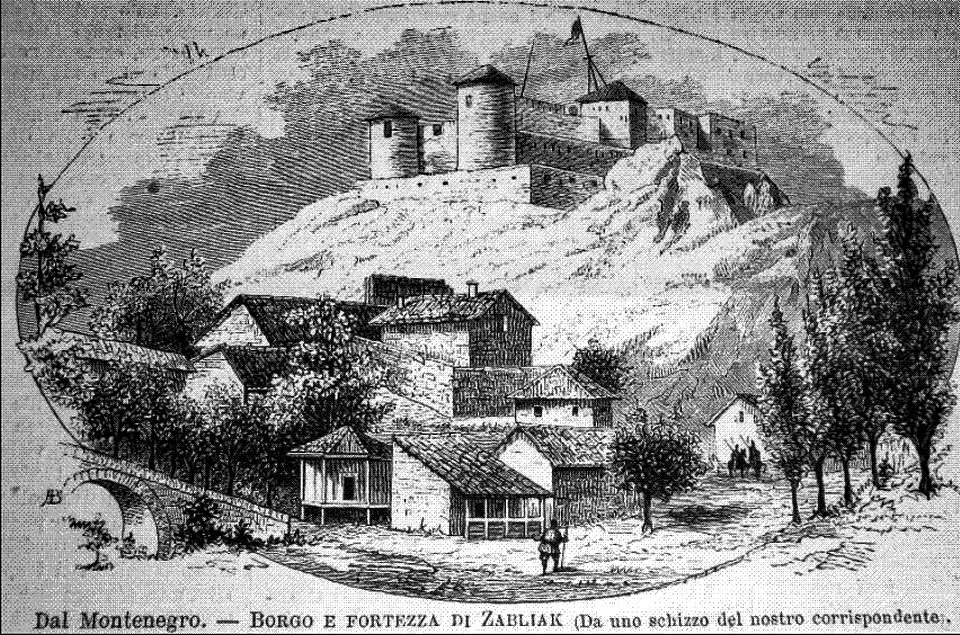
Only in 1878 Montenegro was still able to regain Zabljak Crnojevic. True, not as a result of a military operation, but as a result of the Berlin Congress. It was used as a barracks, arsenal, gendarmerie station, local school premises, but over time it was increasingly destroyed.
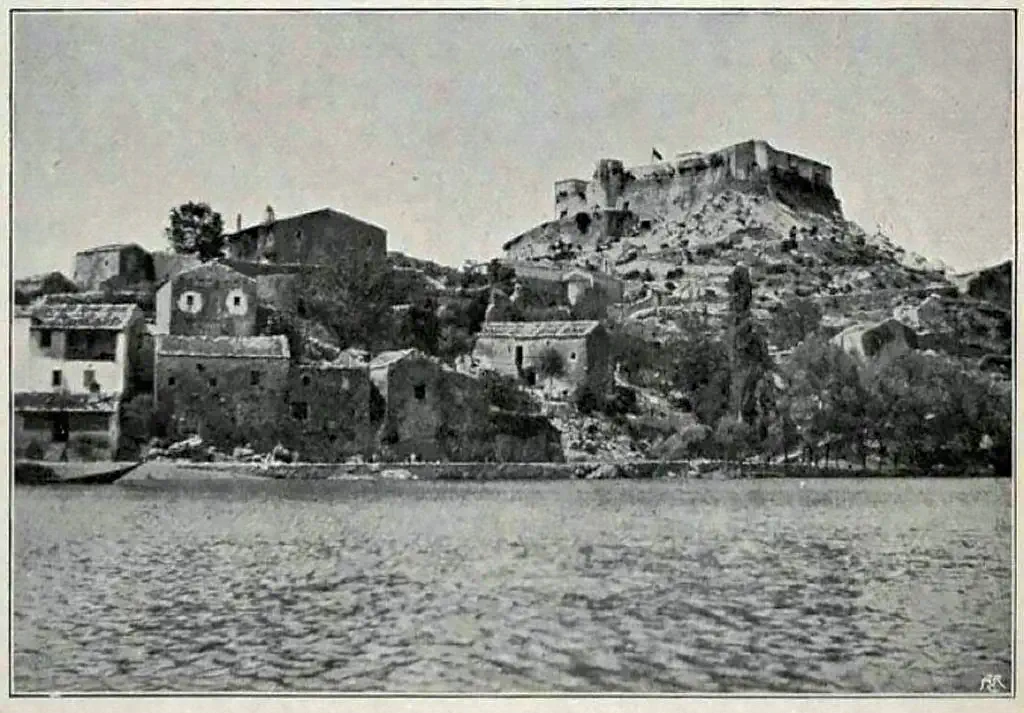
Today the fortress area is abandoned. Despite the fact that back in 1986 a comprehensive study and programme for the revival of this monument was drawn up, funding for this project was not found. In 2018, archaeological excavations were started, which even had some results: bronze products, fragments of dishes, cannonballs were found. Now the excavations have been suspended.
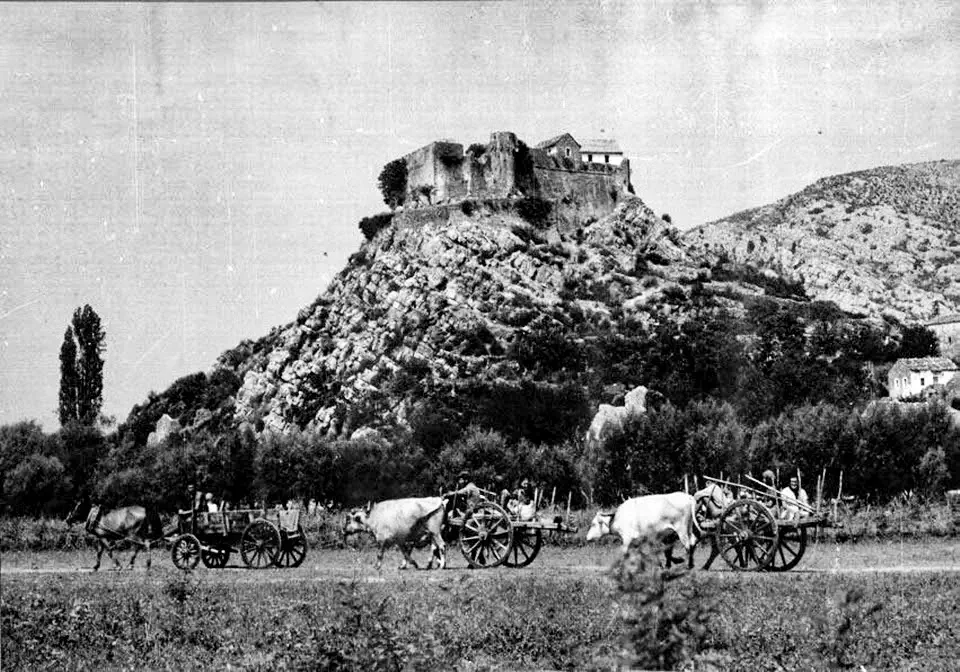
At the moment everyone can climb it at any time of the year and day, admire the surrounding nature of Lake Skadar and touch the medieval history.
Scheme of the fortress
The location of the fortress is perfectly chosen. Steep cliffs on three sides and high fortress walls make it possible to storm the fortress only from the eastern side. This had its disadvantage — the entrance to the fortress could only be realised from one side.
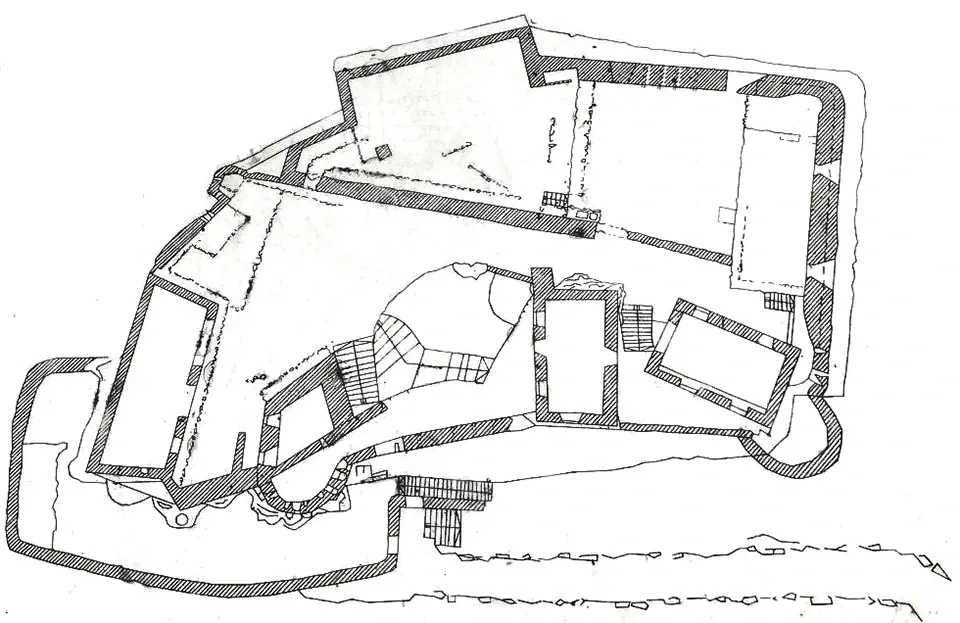
As with almost any fortress in Montenegro, the walls were built in several stages, constantly being modernised. Today, the walls are 15 metres high and up to 2 metres wide. Most likely the earliest walls are on the south-east, west and south-west sides. The tower at the gate to the fortress also has one of the longest histories. This is confirmed by the presence of machicolations, which lost their relevance with the advent of firearms.
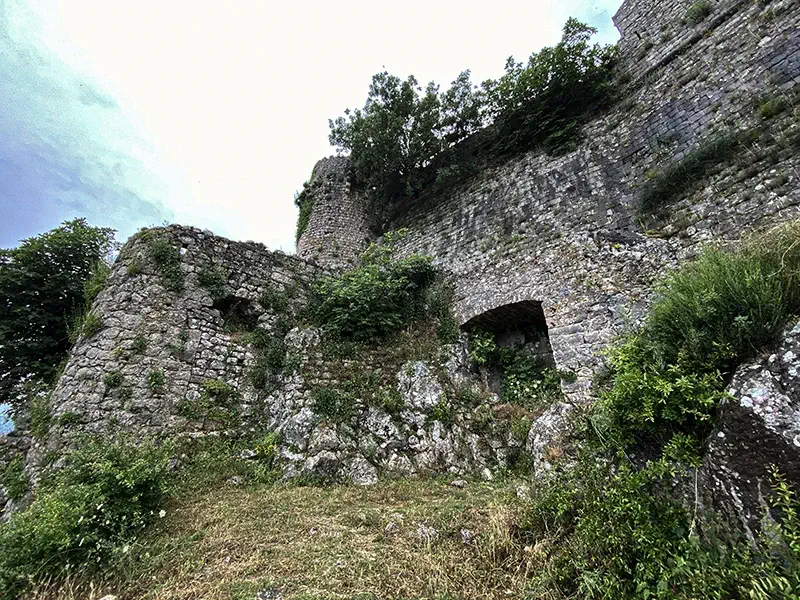
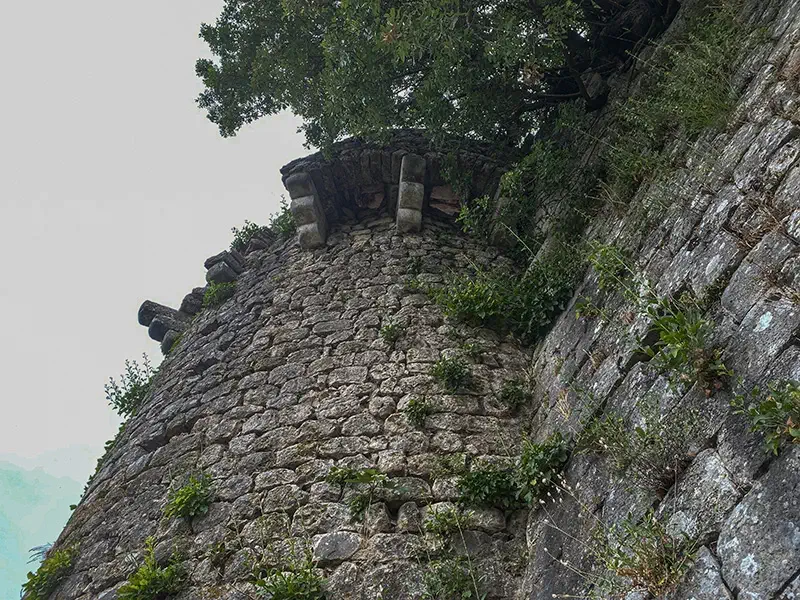
The walls originally housed the Crnojevic Castle itself, a water tank, as well as military and living quarters. There is reason to believe that a number of buildings were wooden and were later destroyed by time or simply burnt down.
How to get to Žabljak Crnojević
If you decide to visit Žabljak Crnojević, you should pay attention to a number of nuances that will help you choose the best option.
The main nuance is that at the moment, due to the rising water level at certain times of the year (most often winter and early spring), it is only possible to get to the foot of the fortress by boat. Therefore, a year-round and 100% workable option, but not the most budget-friendly, is to book a boat trip on Skadar Lake with a visit to Žabljak Crnojević.
As for other ways to get there, apart from taxis, there are two — by own or rented car and by public transport.
How to get to Zabljak Crnojevic by car
There is a free car parking area at the foot of the fortress where you can leave your car. It is located here:
It is worth noting that the road to it is not very wide, but quite good quality asphalt road, so you can get there by any car without any problems.

From the parking area, an old stone road up to 500 metres long and with a height difference of 41 metres leads to the top.
How to get to Zabljak Crnojevic by public transport
Although Žabljak Crnojevića is located on the territory of the municipality of Cetinje, the most convenient way to get there is by municipal transport from Podgorica.
The whole point is that there is a bus from Podgorica to the nearest village to Žabljak Crnojević — «Ponari».
The departure point is directly opposite the bus station in Podgorica.
You can find out more about the route and timetable here. After arriving at the place, you will have to walk for about 1 hour to get to the fortress. However, this is still much shorter than the nearest railway station.
