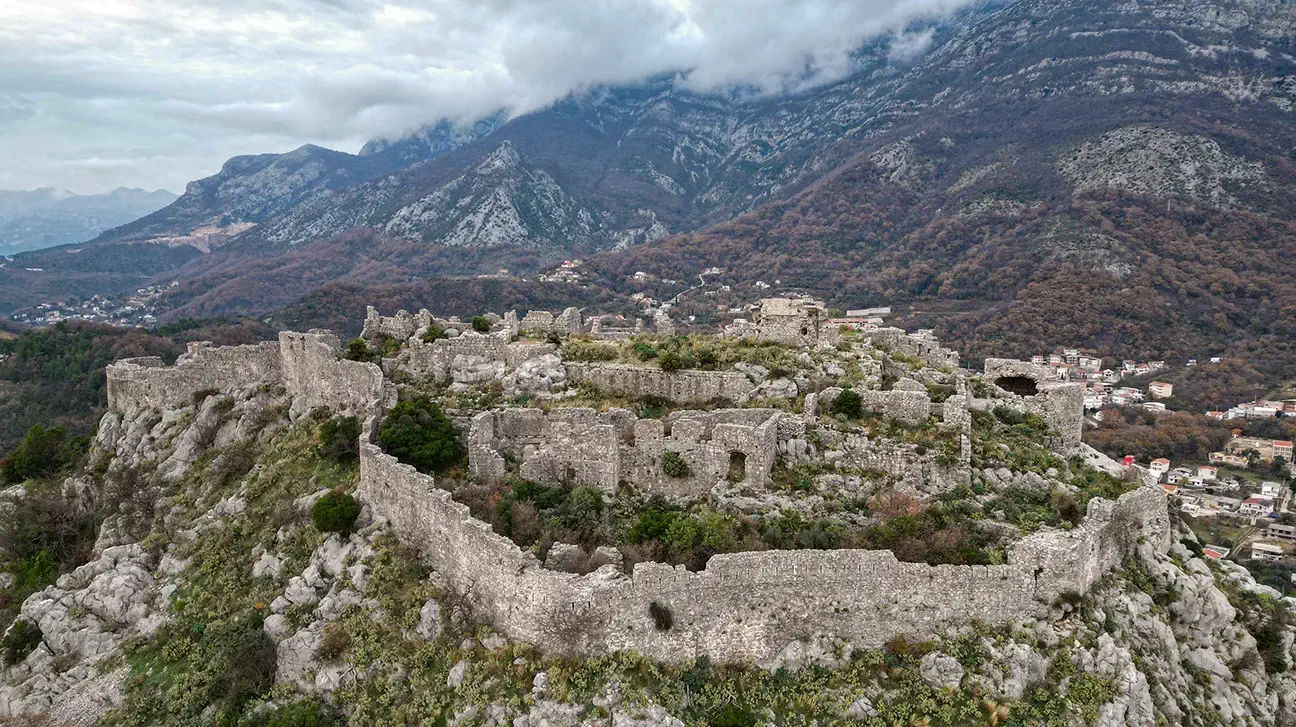
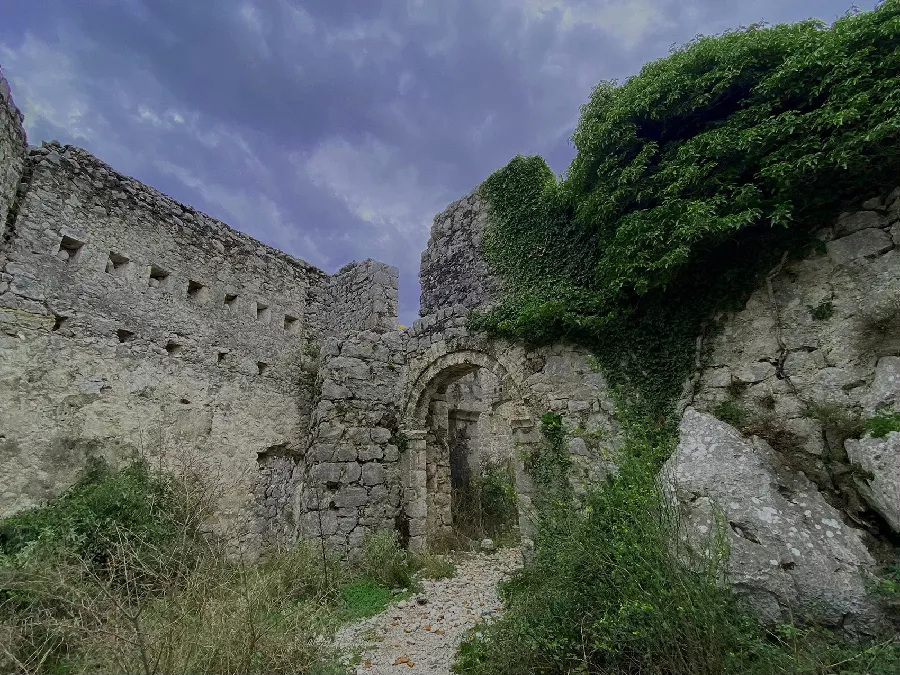
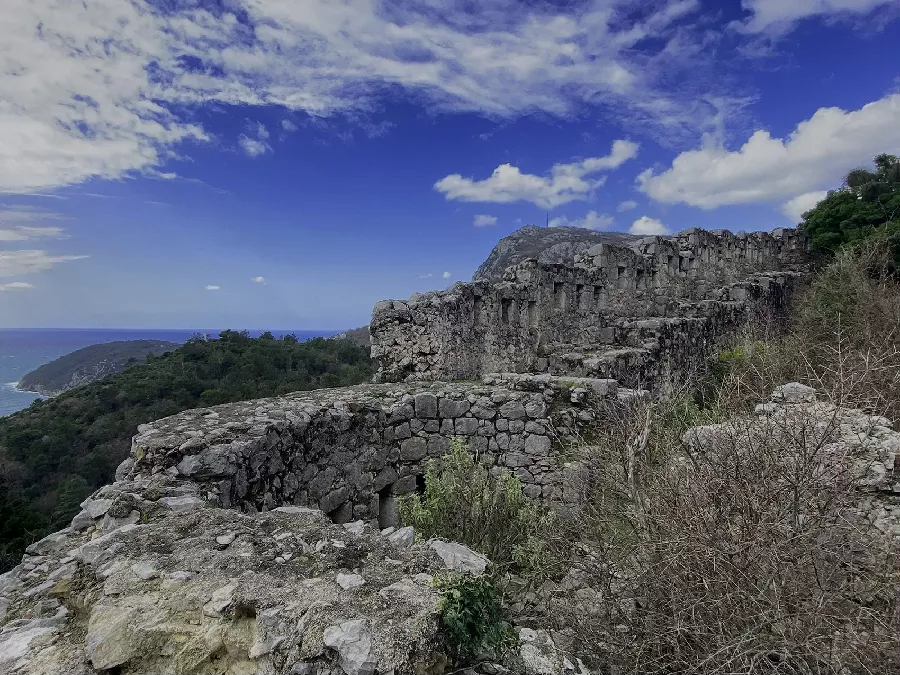
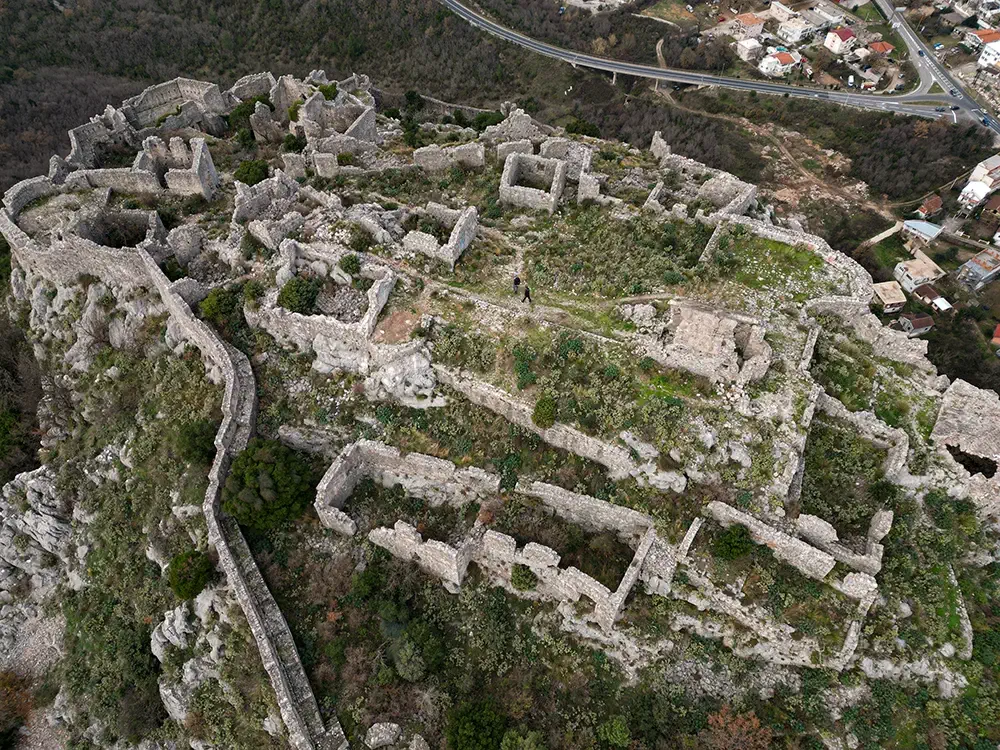
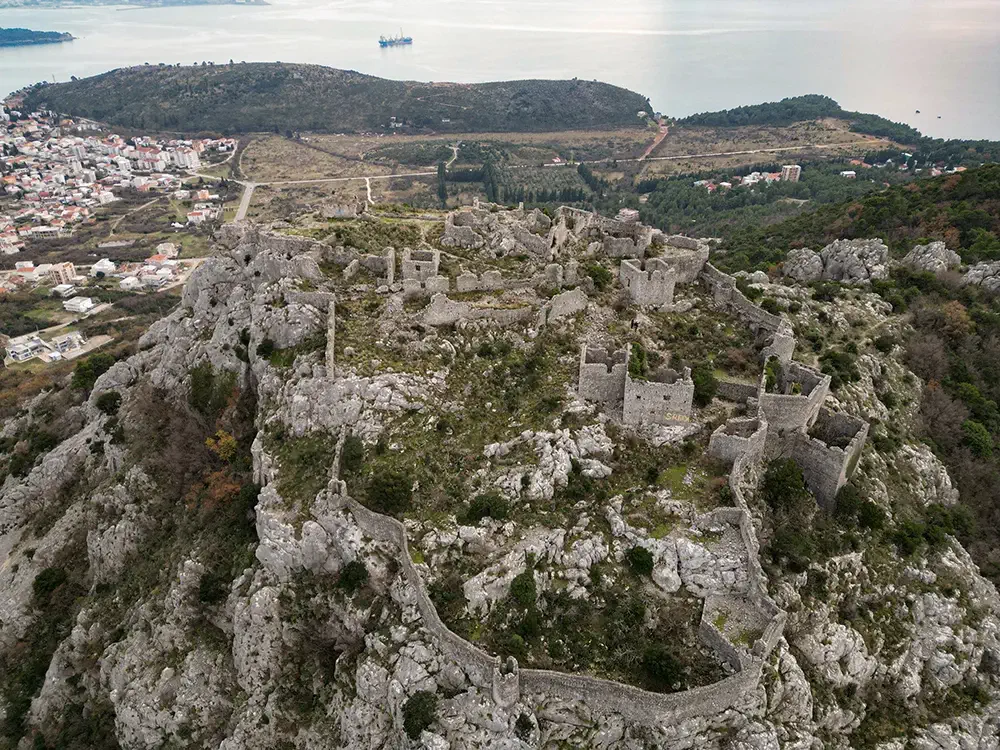
Haj-Nehaj is a fortification complex in the south of Montenegro, located in the Bar area near the city of Sutomore and towering above it at an altitude of 231 meters above sea level.
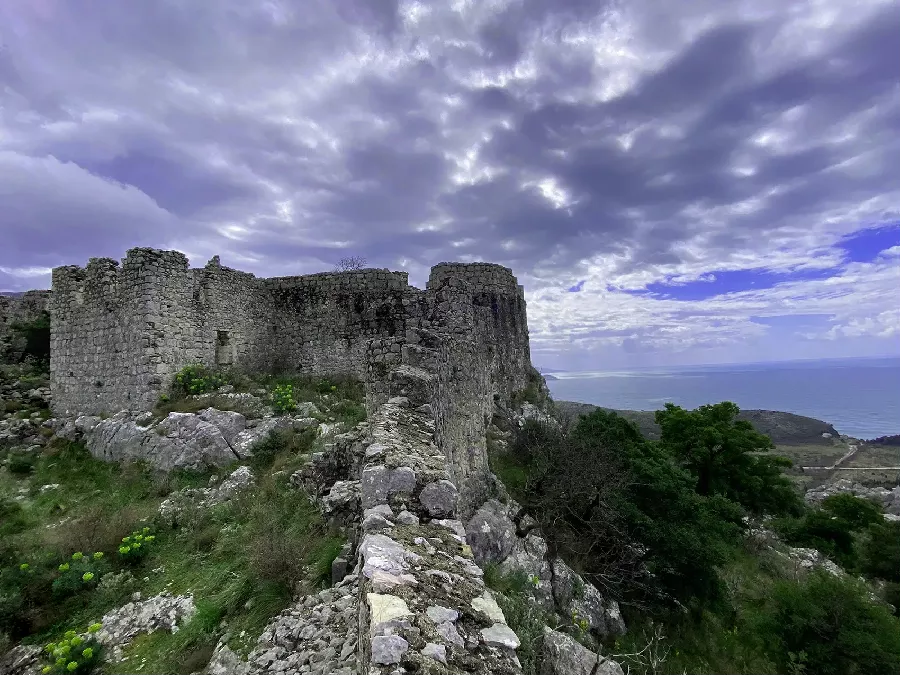
This complex consists of two fortresses — Haj (also known as Tabija) and Nehaj, which gave the name of this area.
At the moment, both objects are open for free entry and are popular with tourists.

Name history
According to excavations carried out in the 20th century, there were settlements on the territory of Haj Nehaj from prehistoric times: Illyrian artifacts from the Iron Age, Roman, and Byzantine periods were found on the slopes of the hills.
Therefore, despite the fact that official references date back to the 15th century, it is likely that the story began much earlier.
This is also evidenced by folk legends. According to him, the first buildings with some fortress walls were laid by the Serbian king Stefan Uros II Milutin (reigned from 1282 to 1321) from the Nemanjić dynasty, the son of Helena of Anjou and Stefan Uros I the Great. Initially, the fortification was planned to be built on a nearby mountain — Velji Grad (497 m above sea level). However, according to the tradition of the ancestors, the first stone of the structure had to be sprinkled with blood. Without this, the settlement in the future will be haunted by troubles and failures.
However, at the time of this action, the king had already converted to Christianity and therefore there could be no talk of any human sacrifice. A rooster was chosen as the victim, whose head was cut off.
Before dying, the rooster gave a cry very similar to «Nehaj!», after which the headless body flapped its wings, flew off the mountain and sped onto a nearby hill. The king took this unusual incident as a sign from above, so he decided to build a future fortress where the carcass of a headless bird that had flown away was found.
It is noteworthy that in Serbian there is the word «hajati», which in ancient times was used in the context of «to worry, worry», respectively, «Nehaj» can be translated as «Do not worry.» Therefore, there is a theory that the name simply means a qualitatively fortified place in which there is nothing to worry about.
Despite the fact that there are many more supporters of the simplified theory, the legend does not contradict it in any way, which suggests that in reality there was some kind of intermediate option.
There is also a third version: «Hai» is the name of the old Turkish fortress, aka Tabiya, which is located near the coast. Because of her position, she seemed like an easy prey to everyone. The second is located high on a steep slope and seems impregnable, which means the complete opposite — Nehai.
Fortress history
There is no exact date when the first walls were built. Perhaps it was the XIII century, perhaps earlier. However, analyzing the surviving fragments, scientists came to the conclusion that they belong to the Venetian architecture and it was the Italians who made efforts to build the oldest of the surviving fortifications.
Venice
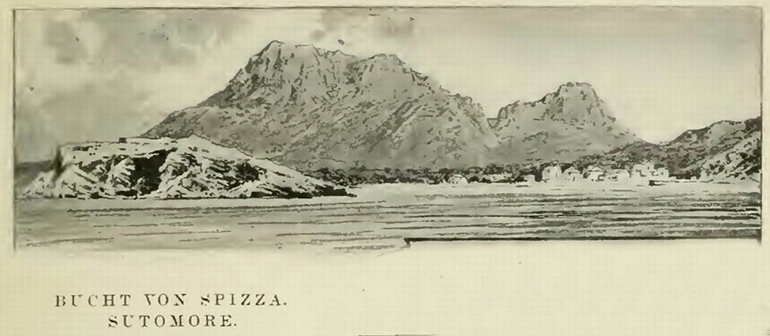
The first official mention of the fortress dates back to 1542. In Venetian documents, it is referred to as «Fortezza de Spizi» — the Spizzi fortress. That's how — Spizzi — the Italians called the Spich plain, on which the modern Sutomore is located.
The name Spich most likely came from the Latin «hospitum / hospicium» — hospitality / hostel. Most likely, the plain was some kind of temporary refuge for travelers from Dalmatia to Skadar or Constantinople.
Another version is that the name came from the Venetian owners, whose family had the surname Markovich-Spizza (Marcovich di Spizza).
At the same time, the earliest mention of Spich in the documents of the Republic of Venice is from 1327.
But back to the fortress.
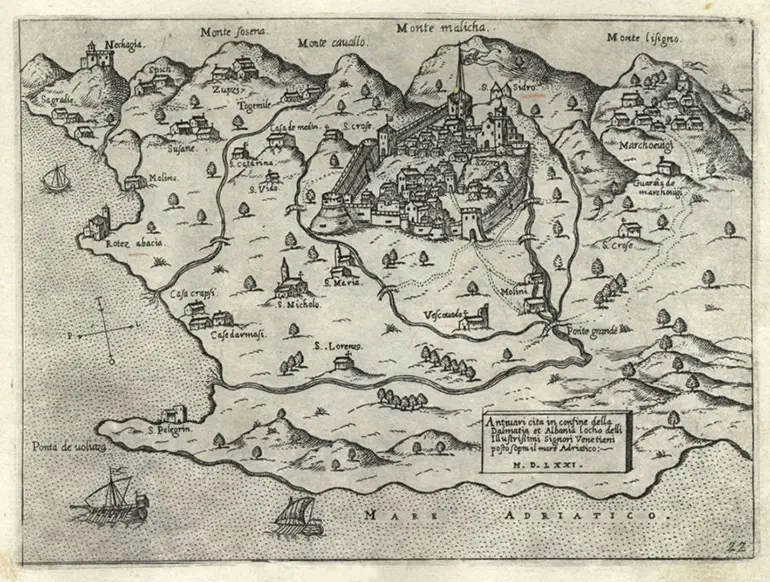
In 1550, the name «Nechagia» is mentioned, which, judging by the Venetian maps, was also used by them in 1571.
However, despite all efforts, the Venetians did not actively use this outpost. The document of 1555 says that the garrison of the fortress was only 3 people — 2 soldiers and 1 artilleryman.
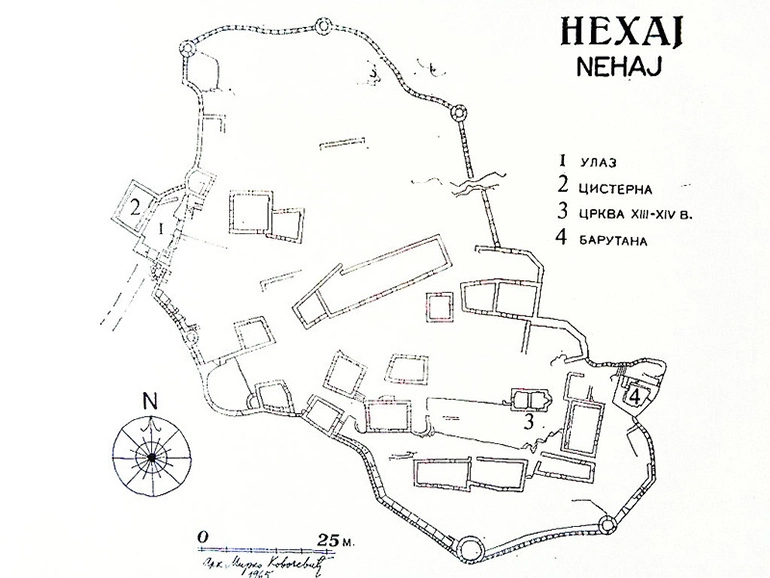
If we take into account that the capacity of the buildings was 900 people, then the true importance of this point for the Venetian Republic becomes clear. It is not surprising that Turkey got it without a fight.
Ottoman Empire
In 1571, for the next three centuries, this territory came under the control of the Ottoman Empire. Having received the fortress at their disposal, the Turks began to actively strengthen and expand it, involving local residents, including women, in the work. This gave rise to several legends, but about them later.
During the Turkish administration, a number of modernizations, fortifications and repairs were carried out in the fortress, the last of which was completed in 1861, a year before the Montenegrin-Turkish war.
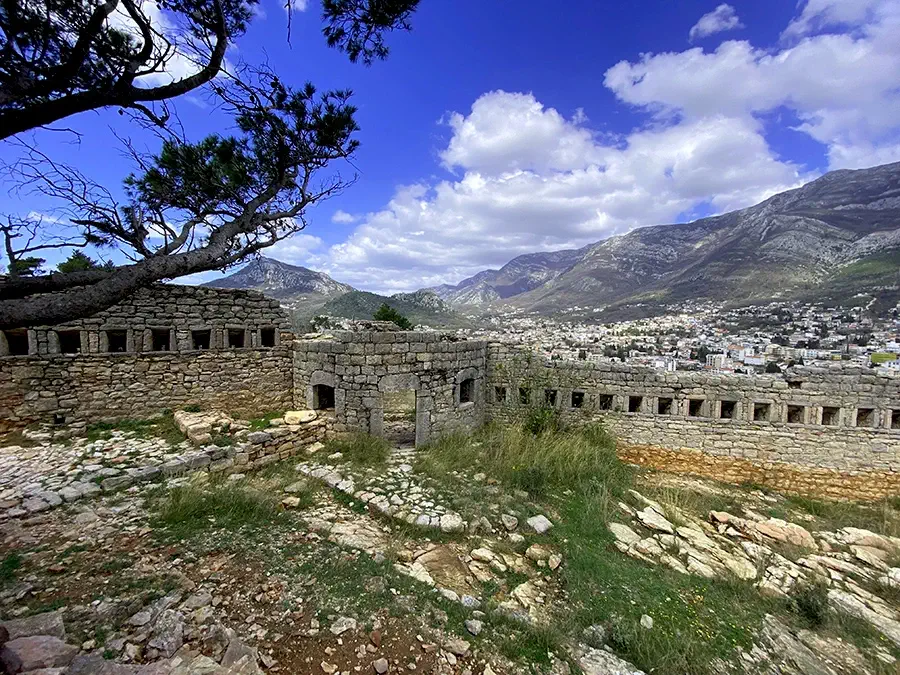
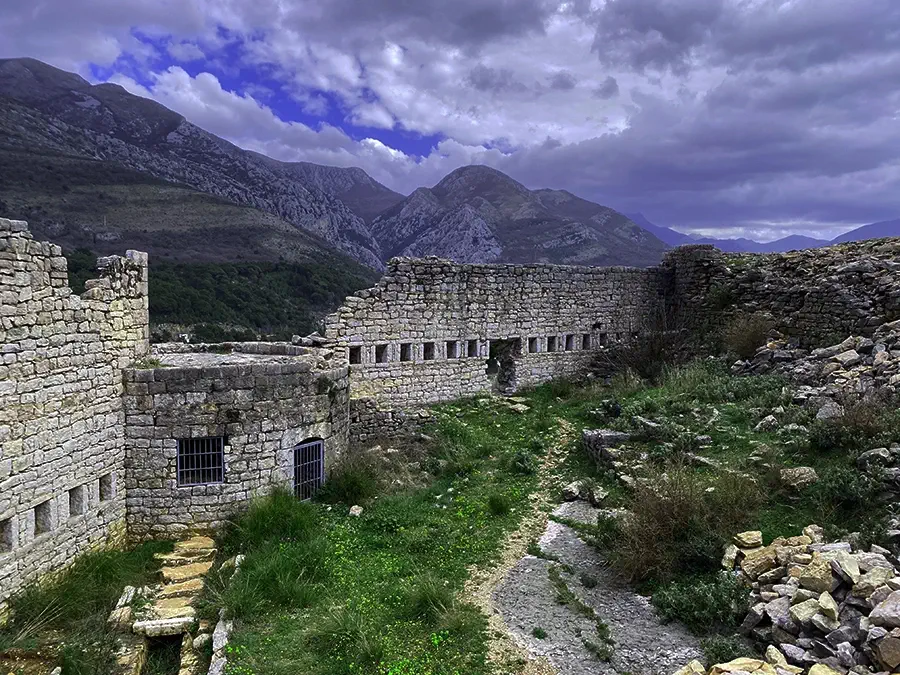
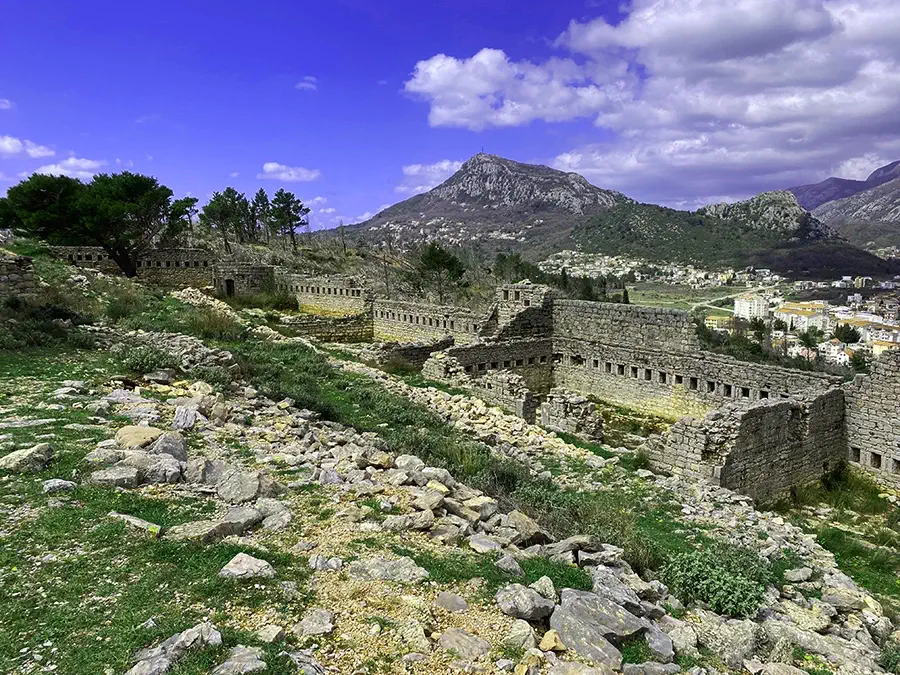
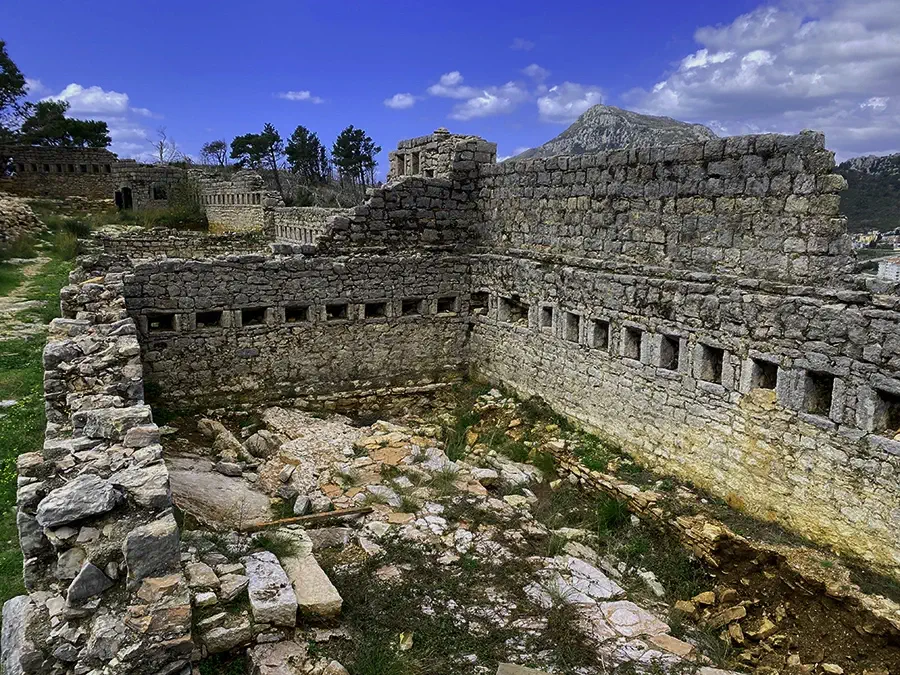
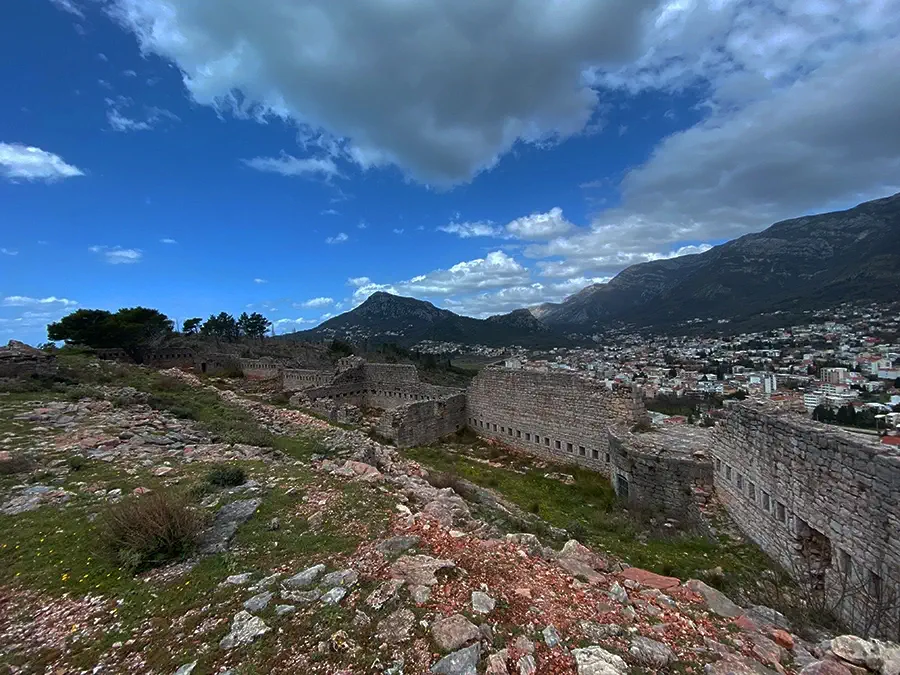
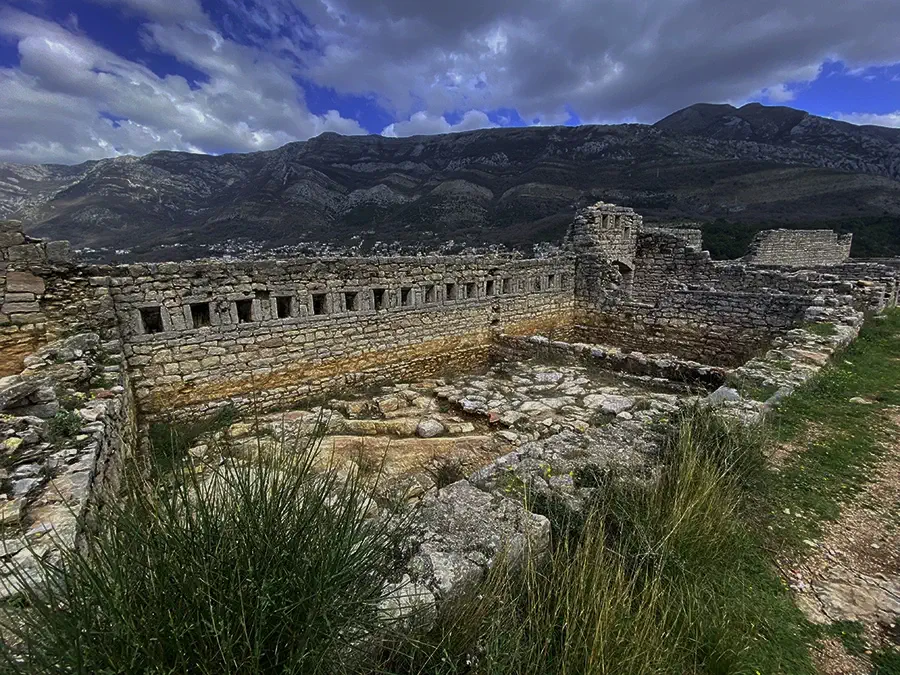
At the same time, in 1862, the Turkish fortress Tabija (tur. "Bastion"), located on Celo Brdo or Golo Brdo ("Bald Hill"), appears or, according to some sources, is being reconstructed.
Austro-Hungarian Empire
On November 13, 1877, the Montenegrins finally liberated the territory of Bar and Sutomore in particular, but already in 1878, as a result of the Berlin Congress, the territory of the fortress came under the control of the Austro-Hungarian Empire.
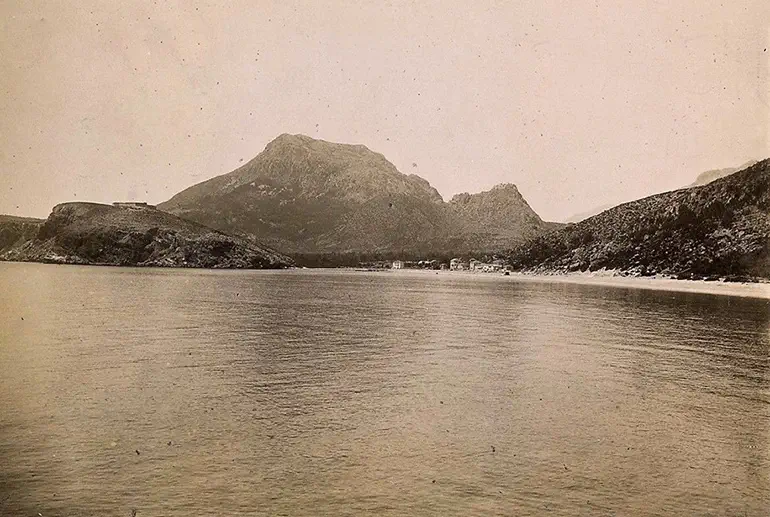
However, at that time, the Nehaj fortress, despite its very good position, was outdated, and therefore was little used by the Austrians.
What can not be said about Haj (Tabia): it was rebuilt into a coastal battery and was actively used until the end of the First World War. Traces of this reconstruction can be seen to this day by visiting the fortress.
Fortress Legends
Most of the legends date back to the times of Turkish rule. As mentioned above, after gaining control over the Nehaj fortifications, the Ottoman Empire began regular modernization and strengthening of the walls.
Often, women were also involved in these processes. As one example, it was women who delivered building materials to the hill: stones, water, sand. Already up there, men were building structures.
One of the legends says that in the process of this exhausting work, women composed a song for themselves to raise their spirits. The words have not survived, and only one line has survived: «Teško tebi, Nehaj grade, kad te žene grade». In translation, this means: «It’s hard for you, Nehaj-city, because women are building you.»
This song was heard by the Turk, who was responsible for the erection of walls and construction work, and asked to translate the meaning of the words. Either out of pity, or out of superstition, but after that, women were no longer involved in the work.
The second legend is very similar to the first: having received a fortress and deciding to urgently strengthen it, the Turks recruited women from nearby settlements to work. Assisting in the construction, the latter were obliged to pass the stones up from hand to hand, lining up in a «snake».
However, the summer in Sutomore is hot, and the work was carried out under the sun without interruptions and water. At some point, one of the women lost her strength and fell down screaming «haj!». The other shouted back: «Nehaj — nesrećan bio grade kad te žene grade!» That is, «Don't worry — the city that is being built by the forces of women will be unhappy.» The Turks heard this and, deciding not to tempt fate, freed women from work altogether.
Church of St. Demetrius
As in any fortress, Nehaj has its own church — St. Demetrius. However, unlike other places, here the church was constructed before the walls.
According to scientists, the church of St. Demetrius was built around the 13th - early 14th century, which is exactly before the construction of the Venetian walls. Probably, its construction was organized by King Milutin, who was already mentioned above.
The second noteworthy detail: earlier there were 2 altars in it — Catholic and Orthodox, but the remains of only one — Orthodox, have survived to this day.
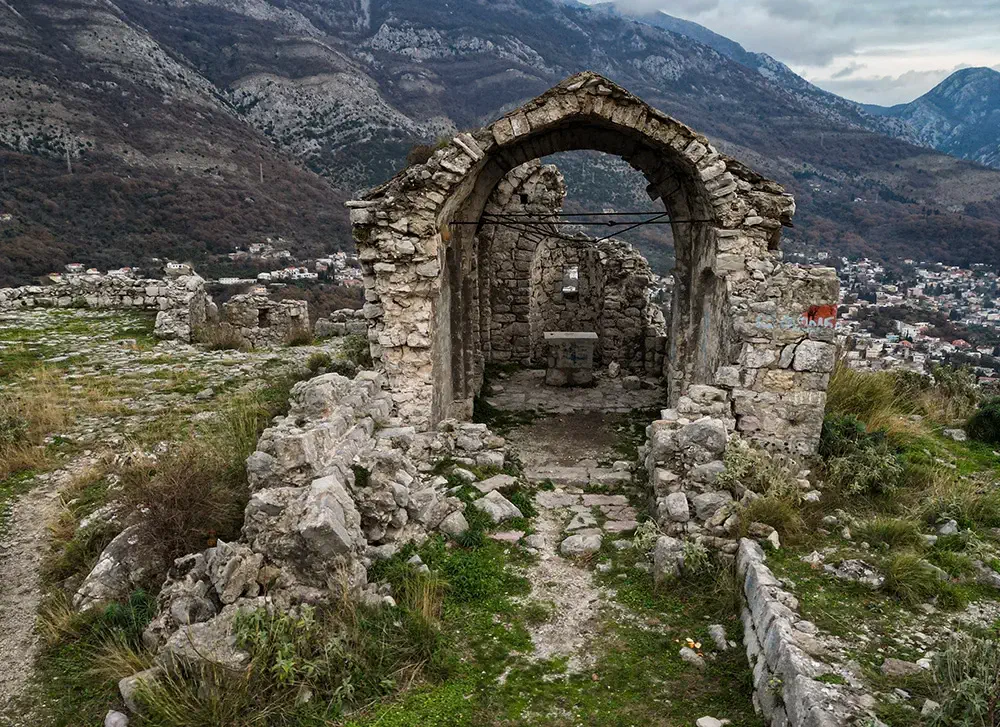
Despite the fact that «Nehaj» was under the control of the Ottoman Empire since 1571, the church continued to function as a Christian religious building until the 60s of the XIX century, when the military commander of the local garrison Mehmet Pasha ordered to rebuild the building and make it a gunpowder stock.
According to some sources, there used to be a cemetery in front of the church, however, along with the reconstruction, it was destroyed in 1868-1869, the bones were dug out and thrown off the rocks.
The Austrians who came 10 years later did not restore the work of the church, they were quite satisfied with the «Turkish» appointment. However, during their reign, there was a fire and an explosion that severely damaged the building. Considering that, as mentioned above, the Austrians did not see any great military significance in Nehaj, no one particularly bothered with the restoration.
Only half a century later, in 1933, volunteers tried to restore the church. However, given that it was a private initiative without the involvement of professionals, the result was not particularly successful. And the 1979 earthquake helped the building collapse even more.
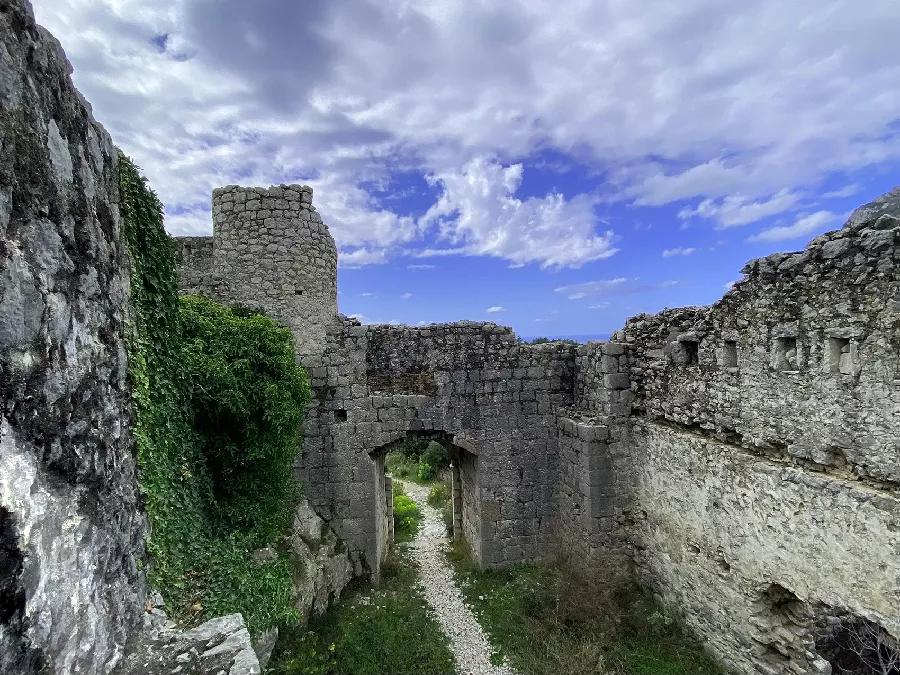
In our time, there are remains of a rectangular church with a semicircular apse on the eastern side of the building. The walls appear to have been built from local stone, which had been chiseled into a slightly parallelepiped shape. There is no question of any even Austrian masonry, which only once again confirms the lack of interest on the part of Austria-Hungary.
The church obviously had one nave, in which there were two altars, the walls were decorated with frescoes, which, according to some information, could be distinguished on the walls right up to the Second World War. The vaults were reinforced with an arch, and the roof, small in size, was covered with stone tiles.
How to get
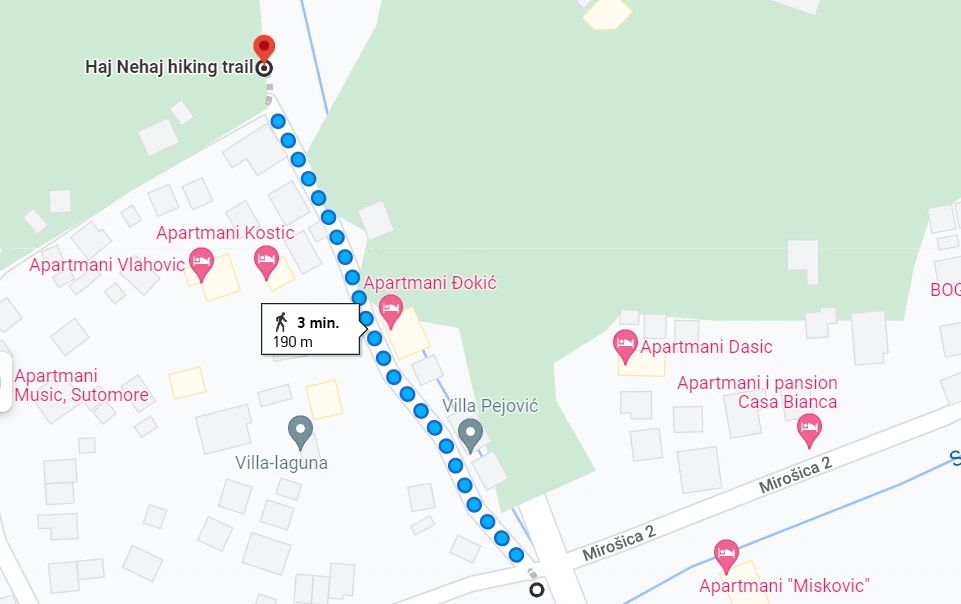
Climbing one or the other fortress is only possible on foot. However, if it takes 10-15 minutes to get to Tabija, then to Nehaj you should plan about one hour for one way.
The road to Tabija will be rather easy for both children and pensioners. To climb Nehaj, at least average training and hiking shoes are already recommended. Despite well-trodden paths and many route signs, some sections are quite slippery and steep.
Below you will find a separate description of how to get to the beginning of the trail for each fortress by different types of transport.
On foot
If you stopped to rest in Sutomore, then most likely it will not be difficult for you to take a walk.
Just plot a route to your destination, take some water and go hiking!
Taxi
The easiest way is to order a taxi. The destination is quite well known among the locals and no further explanation is required where exactly you want to get. The price will vary from the landing city and from the season. However, there is a nuance: the way back will be complicated, since the taxi driver will most likely have already left.
Railway
There is a railway station in Sutomore. Therefore, from some cities you can come here by train. And then take a walk.
In what other cities there is a railway read in this article.
Train timetables can be found on this website. Tickets are bought at the ticket offices of the station.
Tabija
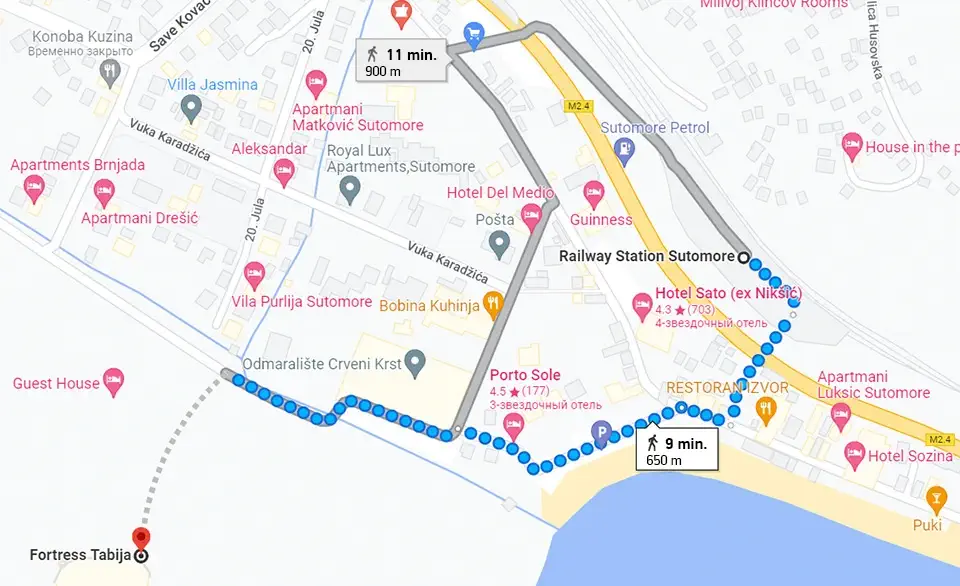
The path from the station to the foot of the hill with the fortress is 650 meters and will take no more than 10 minutes.
Nehaj
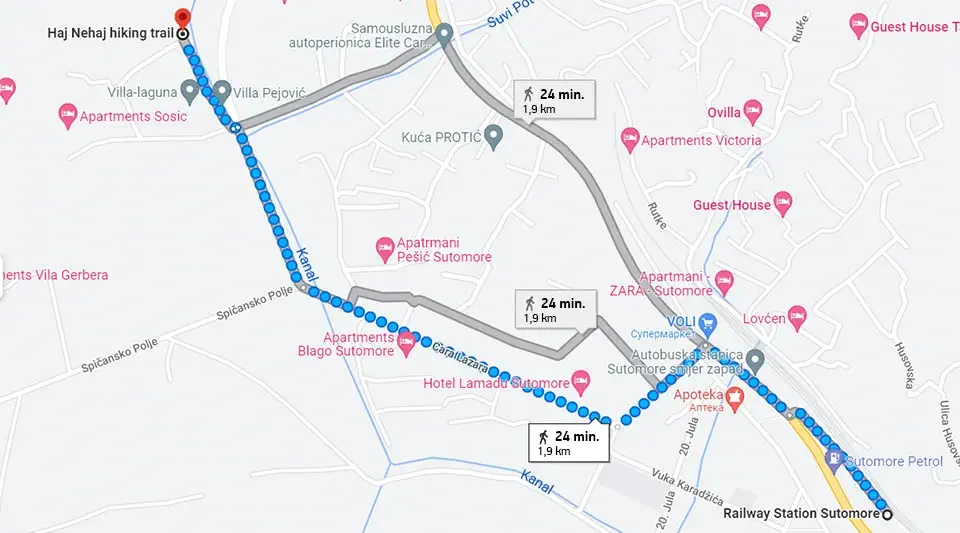
To the beginning of the path that leads to the Nehaj Fortress, it is already longer to walk — about 1.9 km and 24 minutes.
Bus
Sutomore bus station is located here.
You can get to it by almost any bus that goes to Bar from Herceg Novi or Podgorica. If you are coming from Ulcinj, then any bus passing along the embankment will also suit you — as a rule, these are all that go towards Budva and Podgorica.
After you get off the bus, you will only have to walk to the beginning of the trail. How to do this has already been described above.
Bus timetables can be found on this website.
Car
The most convenient way is by your own or rented car.
Firstly, you do not depend on the transport schedule, which means that you can have absolutely any pace and program.
Secondly, trekking shoes are still recommended for climbing, in which it can be hot, especially in summer, throughout the rest of the day.
Near each fortress at the beginning of the trail there is free parking (or rather, a wasteland where you can park).